Amalberga
about AMALBERGA:
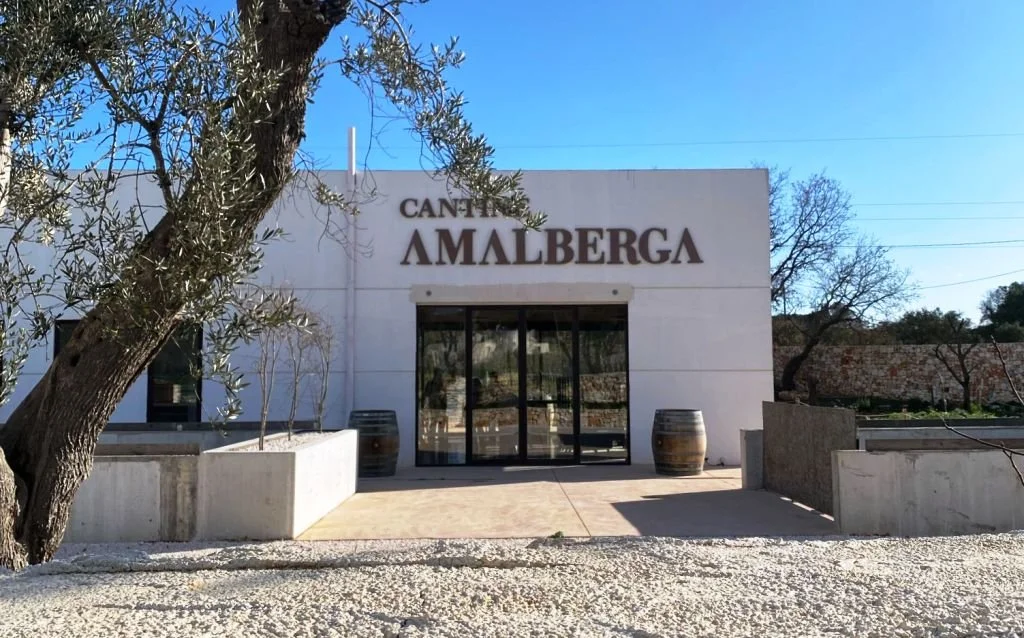
Amalberga is one of Italy’s most exciting new projects and it’s coming out of Puglia; run by Dario de Pascale, who manages the vineyards, and his partner Gloria Battista, who makes the wine. They mostly use native Puglian varieties (including some we had never heard of before!) and the winemaking is precise and thoughtful. Dario’s grandfather also made wine in Puglia and, in 2017, the first vintage of Amalberga was produced from his old vines planted to Minutolo and Ottavianello.
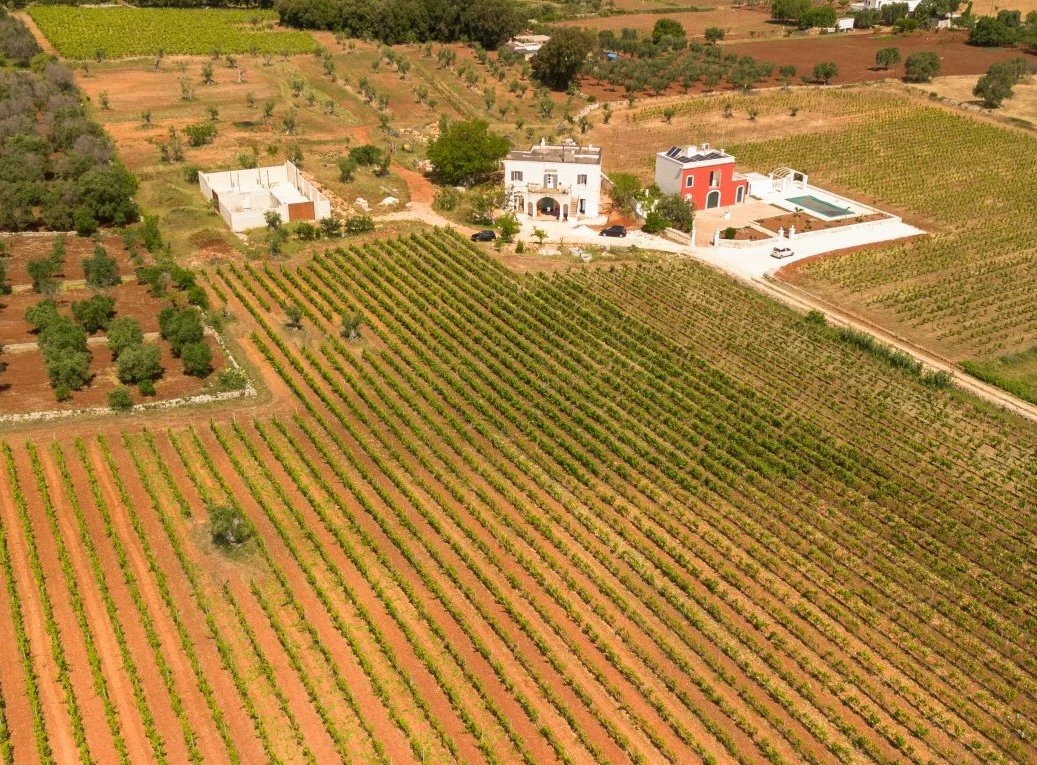
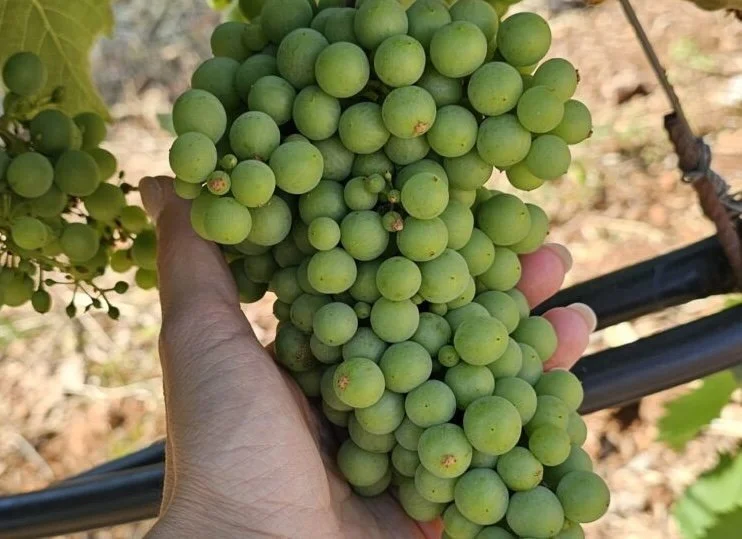
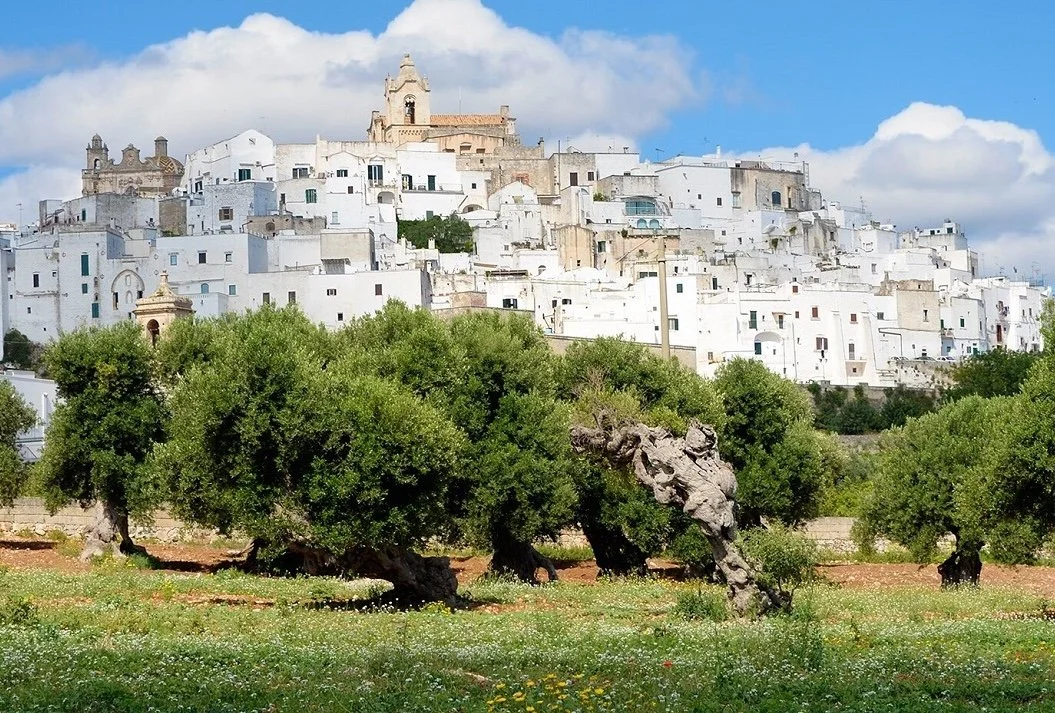
Over the next few years, Amalberga built a new winery and began restoring more ancient vineyards around Ostuni planted to Verdeca, Negroamaro, and Primitivo, all with the goal of reviving the 50+ year old Ostuni DOC region. Despite its establishment in 1972, this tiny appellation of just five total hectares suffered a series of setbacks after its foundation, from which it is only now starting to recover. Amalberga’s revival of the DOC’s key variety—Ottavianello—was the first step towards recovering one of Puglia’s best kept secrets.
Since its inception, Amalberga has moved to re-establish Ostuni’s legacy using good agricultural practices including the repurposing of natural rain water, regenerative farming, and conservation efforts in the vineyard. The wines have an intense purity and concentration to them as a result. Simply put, these are our kinds of wines and this is our kind of place. The winery itself is a beautiful building surrounded by lush vineyards planted to local grape varieties, serving delicious food as well at their onsite restaurant with Dario’s mother as the chef. It’s a veritable gastronomic heaven. We highly recommend visiting if you find yourself in Puglia, but in the meantime you can be transported there by the wines, a close second.
_____________________________________________
The wines:
ostuni ‘Stùne Bianco’
Made of roughly equal proportions of the native white varieties Impigno and Francavidda, both of which were unknown to me before my first tasting here, grown at around 330 meters above sea level, around the winery. The estate-grown fruit, harvested in late September, is pressed immediately and fermented in stainless steel tanks. After fermentation, the wine is aged for six months in tank, three months of which is on the fine lees.
Impigno and Francavidda are the most common varieties found in the white wines of the Ostuni DOC, the vast majority of which are blends, and Francavidda can make up to 50% of the total. Impigno can be used in larger quantities and is one of the most planted white grapes within the DOC.
The Stùne Bianco is a fascinating deep and distinctive white wine, the best white I’ve had from Puglia. Pale yellow in color; complex aroma, with hints of herbs and lemon peel; similar palate; fresh acidity, clear apple-skin textural note despite not being macerated. The white wines from the far south of Italy have soared in quality in the last few years, and this is a perfect example.
ottavianello Ostuni ‘Stùne Rosso’
Ottavianello is the local name for a red wine grape variety better known as Cinsault; it’s highly regarded here around Ostuni, and in fact has its own appellation, Ostuni Ottavianello, where it must comprise at least 85% of the blend. Its earliest documentation in Puglia begins in the 19th century (though it may have been here before that).
This example is like a combination of schiava and frappato, quite aromatic, medium red in color, with aroma and flavor of black plum, almond, and herbs; some fine tannins, very drinkable texture.
Ciò ciò
This is the Amalberga house wine, pale red in color, completely drinkable, particularly when chilled. It is from a vineyard that was planted to mixed indigenous varieties (Ottavianello, Negroamaro, Susumaniello, Verdeca, and Minutolo), which are harvested together, then co-fermented and aged in stainless steel. (Minutolo is a rare white variety from this valley; Verdeca is also an Apulian white variety; Ottavianello is the Apulian name for the red variety Cinsault, and Negroamaro is a widely grown Apulian red variety.)
Interestingly, it is also a mix of two vintages - they keep approximately half of each vintage to add to the following. According to the team at Amalberga this preserves a Puglian tradition of producing table wine (hence Ciò Ciò’s designation as Vino da Tavola) from field blends of red and white grapes that were not necessarily organized by variety or soil type as we might today. The vineyard, called Vigna Colacurto, belonged to Dario’s grandfather and is located near the commune of Caravigno. The team considers Ciò Ciò their contemporary version of a vino da tavola, festive and food friendly - a wine for everyone.
‘Ciò Ciò’ is the nickname Dario and Gloria gave to their son, Francesco, when he was four years old as a term of endearment. In English we would say adorable and/or lovable, characteristics that also apply to the wine.
Ciò Ciò is pale red in color; the distinctive aroma is reminiscent of jamaica, which I really like; on the palate it’s a lovely fresh and lighter red, reminiscent of pomegranate juice, with a hint of salinity on the finish. I will be drinking this slightly chilled with all sorts of dishes, an aperitif of spicy olives and and potato chips, a mezze platter or simple roast chicken.
Note: The bottle is closed with a crown cap; this closure is rarely used for still wine, but in fact it is a great solution, short-term or long-term. It preserves the wine from air, allowing the producer to use a lower level of sulfites, and it’s easily opened.
Rosato Frizzante diffondo
Diffondo is made entirely from Negroamaro, a grape native to the eastern coast of Puglia where Amalberga is located. Most often made into a rustic, still red wine, it now takes its turn as a metodo classico sparkler. The grapes are harvested mid-August to preserve acidity and pressed immediately then fermented entirely in stainless steel with lees stirred weekly. Secondary fermentation takes place in bottle under crown cap and the wine is not disgorged.
The name Diffondo is a reference to the winemaking method ‘col fondo’, a version of metodo ancestrale or ‘pet nat’ where the yeast is not removed (it translates to ‘with the bottom’) that originated with Prosecco producers in Valdobbiadene and Conegliano. In this case the wine is made with two fermentations, hence the name - a different type of col fondo.
As with traditional col fondo, Diffondo is completely dry. When first opened the bubbles are frothy but not coarse, and they carry the grapefruit peel and blood orange character right through the finish, along with watermelon rind and a savory note. We would enjoy this with friend for a movie night or paired with dishes emphasizing fresh produce, and lots of olive oil.
Service: you can pour col fondo wines with the sediment mixed in, or you can decant them off the sediment. At the winery they served it mixed in, but it’s totally up to you; the yeast adds flavor and a textural note.