Boroli
about BOROLI:
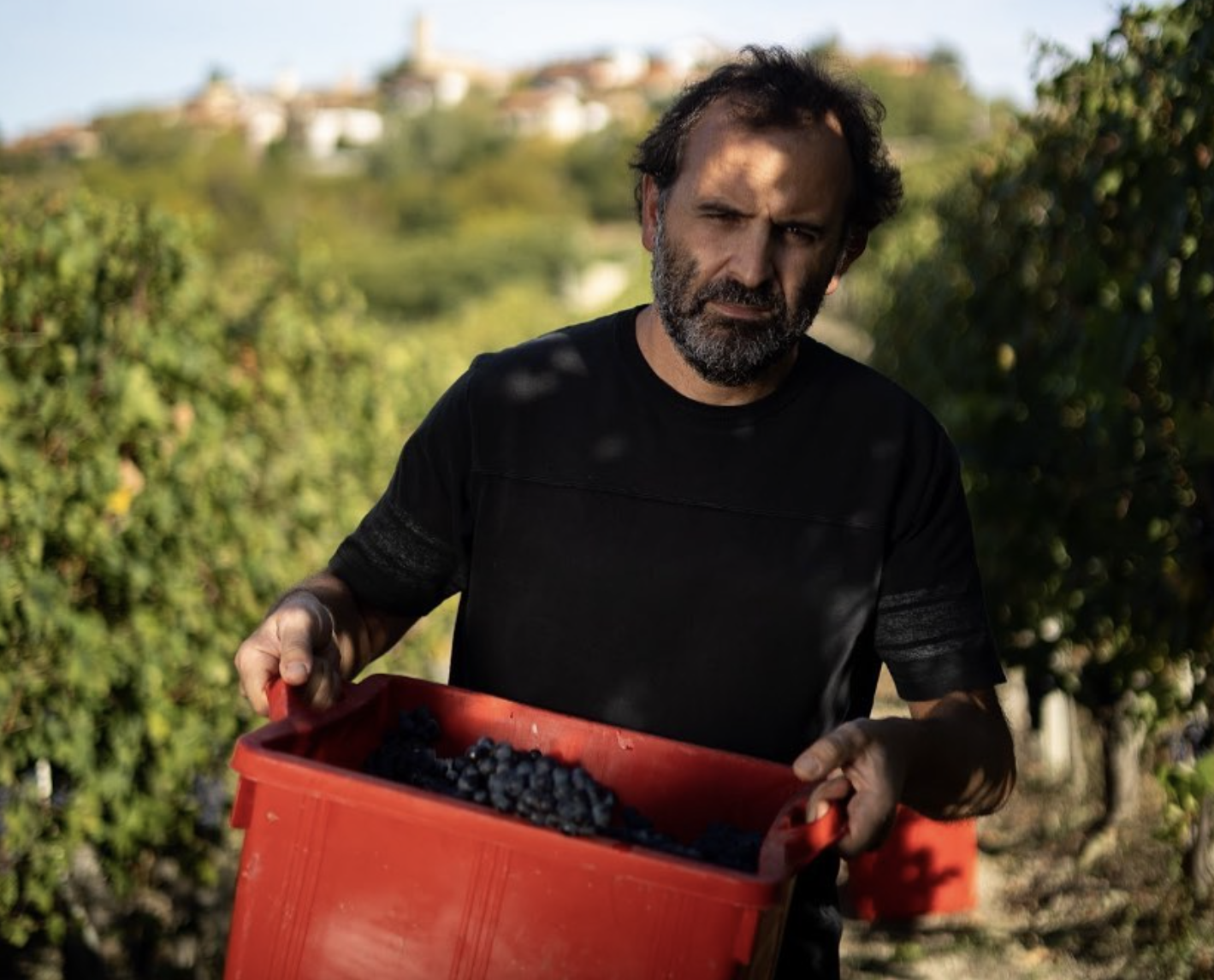
The Boroli estate was founded in 1997, and is now run by Achille Boroli, scion of a family originally from northern Piedmont. The family, originally in the textile business, has a number of interests, including publishing; Achille Boroli eventually decided to follow his passion, running the winery (and the nearby Michelin-starred restaurant Locanda del Pilone).
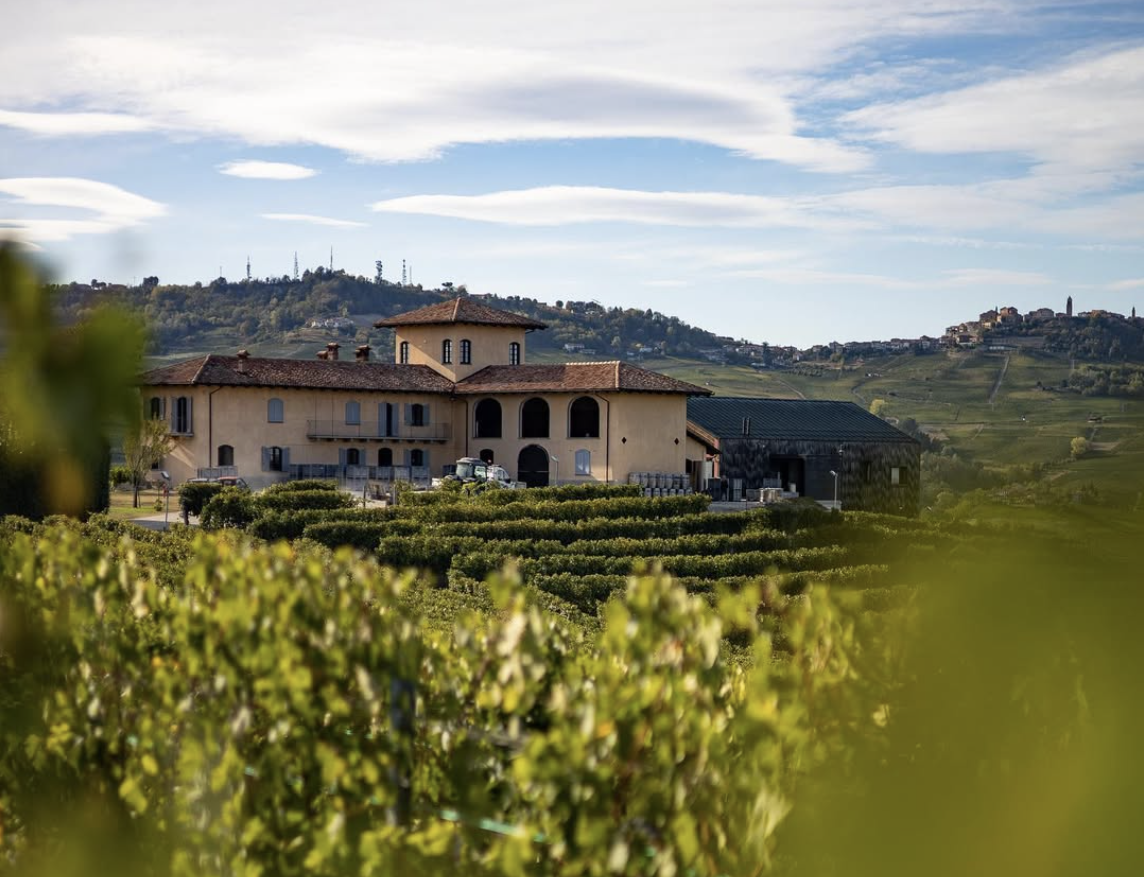
In 2024 Achille decided to start working with the consulting winemaker Cristiano Garella. We have been following Cristiano's work in northern Piedmont for some years. He is an enormously talented enologist and an outstanding wine-taster, and his work has helped to put Alto Piemonte on the map. The Boroli family owns and farms vines in three sites, Brunella, Cerequio, and Villero. Brunella, which surrounds the winery, is nearly a monopole, which is to say that Boroli own almost the whole cru. Villero is immediately east of Brunella, both in the comune of Castiglione Falletto, and Boroli's piece of Cerequio is in the commune of Barolo (the cru spans La Morra and Barolo). Cerequio and Villero are already understood to be outstanding sites, 'grands crus' if there were such a classification here (both are on Antonio Galloni's list of top vineyards). Brunella is less well known but is surrounded by famous vineyards such as Villero and Monprivato, and in our view is at least as good as the others; Boroli is the only producer to bottle Brunella.
_____________________________________________
the wines:
Chardonnay ‘1661’
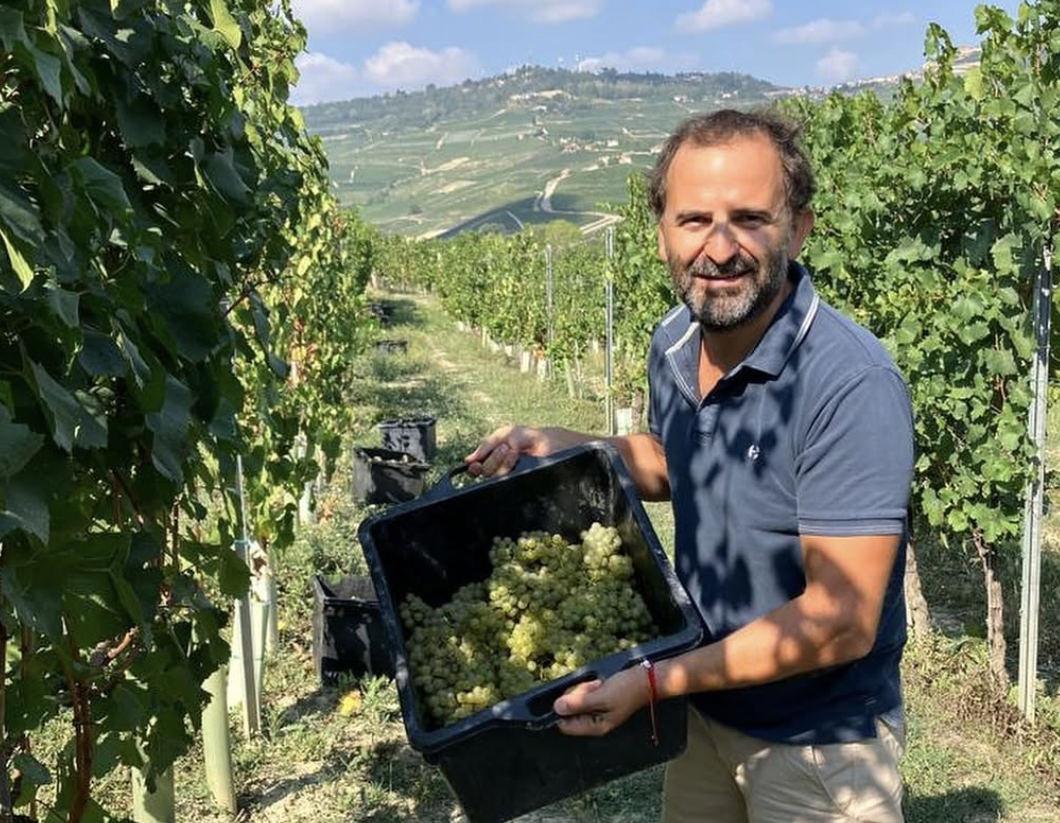
Chardonnay may not be native to the Barolo area but these days it is very much at home here, and this is a great example. (The wine is named after the earliest recorded date of farming here.) The fruit is grown on the north-facing aspect of the Brunella vineyard, next to the winery; after being harvested by hand the bunches are carefully sorted, macerated at low temperature for 1-2 days to extract aromatic elements from the skins, pressed, and fermented in stainless steel using neutral selected yeasts. (After the 2024 vintage the wine will be fermented using indigenous yeast.) The wine is aged in stainless steel for 10 months before being bottled in the summer following the vintage.
Note: fresh, flavorful and expressive, this Chardonnay is pale straw in color with a greenish glint; it shows a very attractive aroma of green apple and a hint of spice, notes which carry over onto the palate, and very attractive fresh acidity.
Langhe Nebbiolo ‘1661’
The fruit for this delicious everyday Nebbiolo is harvested in the estate vineyards that are north-facing, and from vines that are younger, mainly in the Villero and Bric del Fiasc vineyards. (The wine is named after the earliest recorded date of farming here.) It is fermented in stainless steel at controlled temperature to retain aromas, with about 2 weeks of maceration, aged on the fine lees until the spring of the following year, and bottled in the early summer. Good Langhe Nebbiolo like this is one of my favorite everyday red wines, completely drinkable on release or for up to five years thereafter (although mine rarely last that long).
Note: classic Nebbiolo pale red color; aroma of berries, spices, with a faint floral note (violet?). Palate is consistent, very drinkable texture, lovely open attractive flavors, irresistibly drinkable. Perfect everyday red wine, goes with all sorts of dishes including salmon.
barolo classico
A selection from across Boroli’s Nebbiolo vineyards, in the communes of Castiglione Falletto and Barolo. All the vineyards are mature, and yields are low; after the bunches are harvested, they are de-stemmed, and the grapes are gently crushed. The fermentation takes place in stainless steel with indigenous yeasts and total maceration with the skins is about a month. After malolactic fermentation the wine is aged in larger barrels for 18 months.
Notes: classic Nebbiolo pale red color; aroma and flavor of red fruits with cedar/sandalwood and hints of spice and mint; on the palate this is very approachable, with round tannins very forward flavors. You could age this for at least 10-15 years, depending on the vintage, but I love these wines on the younger side too.
Barolo del Comune di Castiglione Falletto
An intermediate step between Boroli’s classic Barolo and the cru bottlings, this is made from a selection of Nebbiolo fruit from the sites within the village of Castiglione Falletto. All the vineyards are mature, and yields are low; after the bunches are harvested, they are de-stemmed, and the grapes are gently crushed. The fermentation takes place in stainless steel with indigenous yeasts, and total maceration with the skins is about a month. After malolactic fermentation the wine is aged in larger barrels for 18 months.
Notes: Castiglione Falletto is right in the middle of the Barolo appellation, and is said to share characteristics of both sides, and this bottling is in fact textbook Barolo. The color is typical Nebbiolo pale red; complex aromas include various red fruits (wild strawberry, red currant), cedar/sandalwood, and a faint minty note. On the palate the wine is chewy but not at all bitter, in between the Barolo Classico and the single vineyards wines in texture. Depending on the vintage I would drink this between 10 and 15 years from harvest, but I dare say it will go much longer.