Opificio Fred
About opificio Fred:
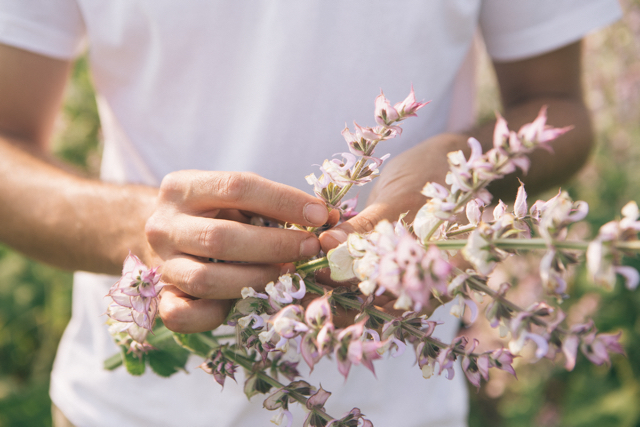
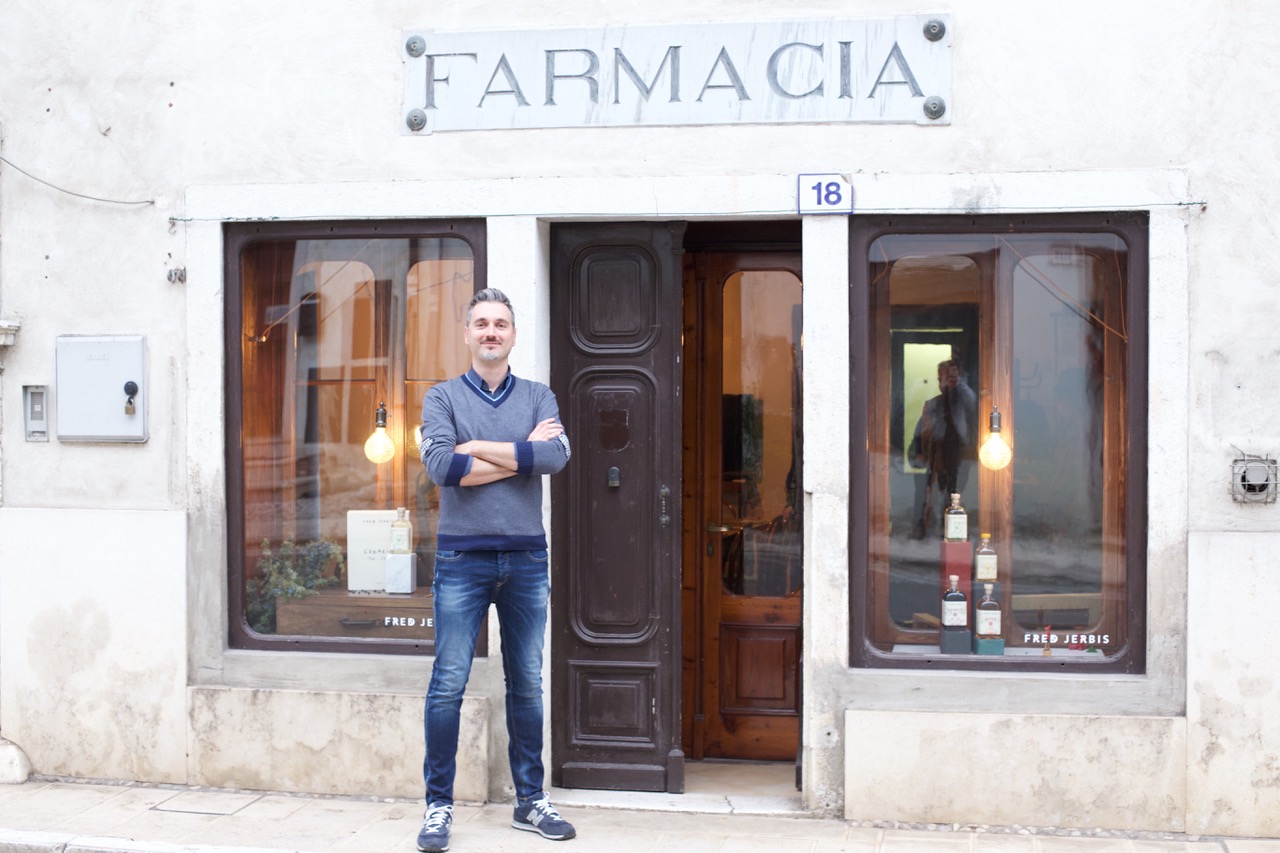
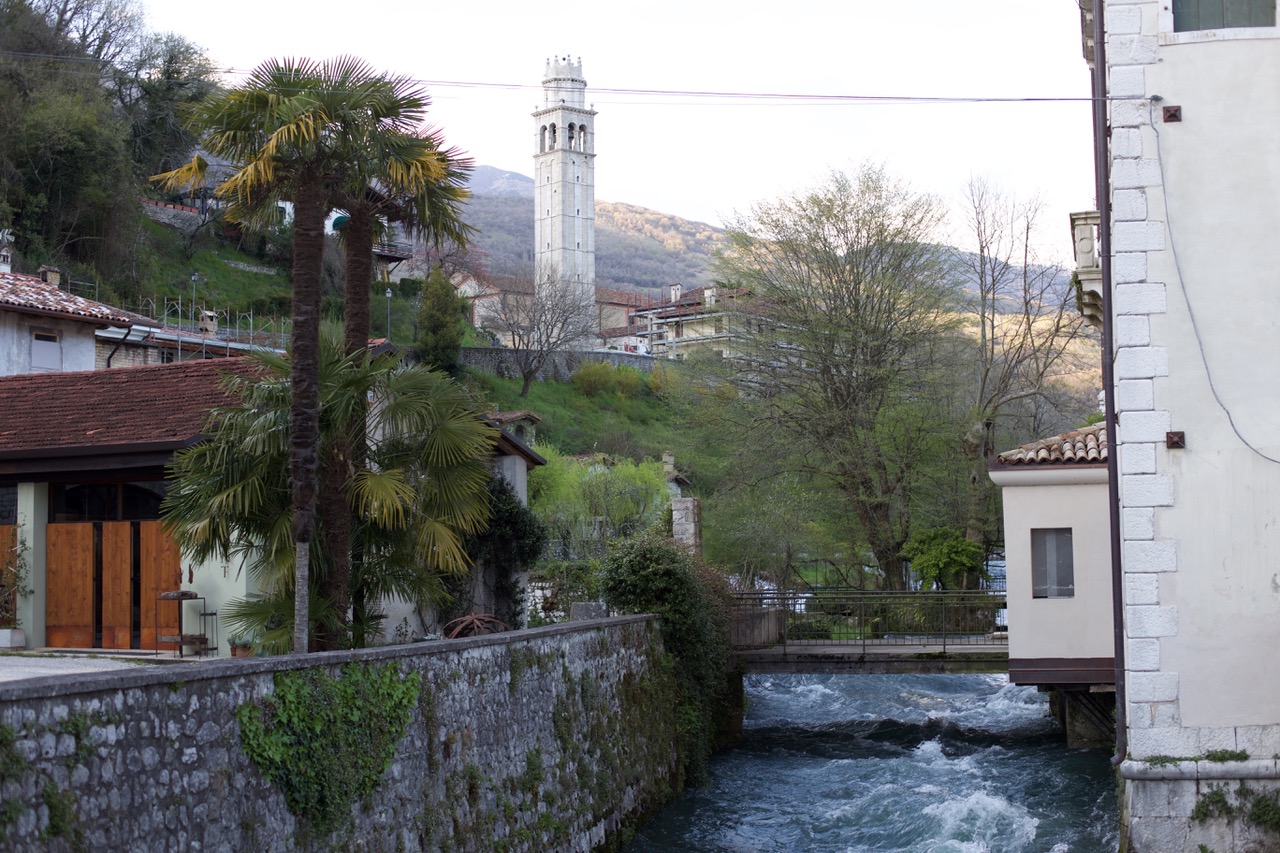
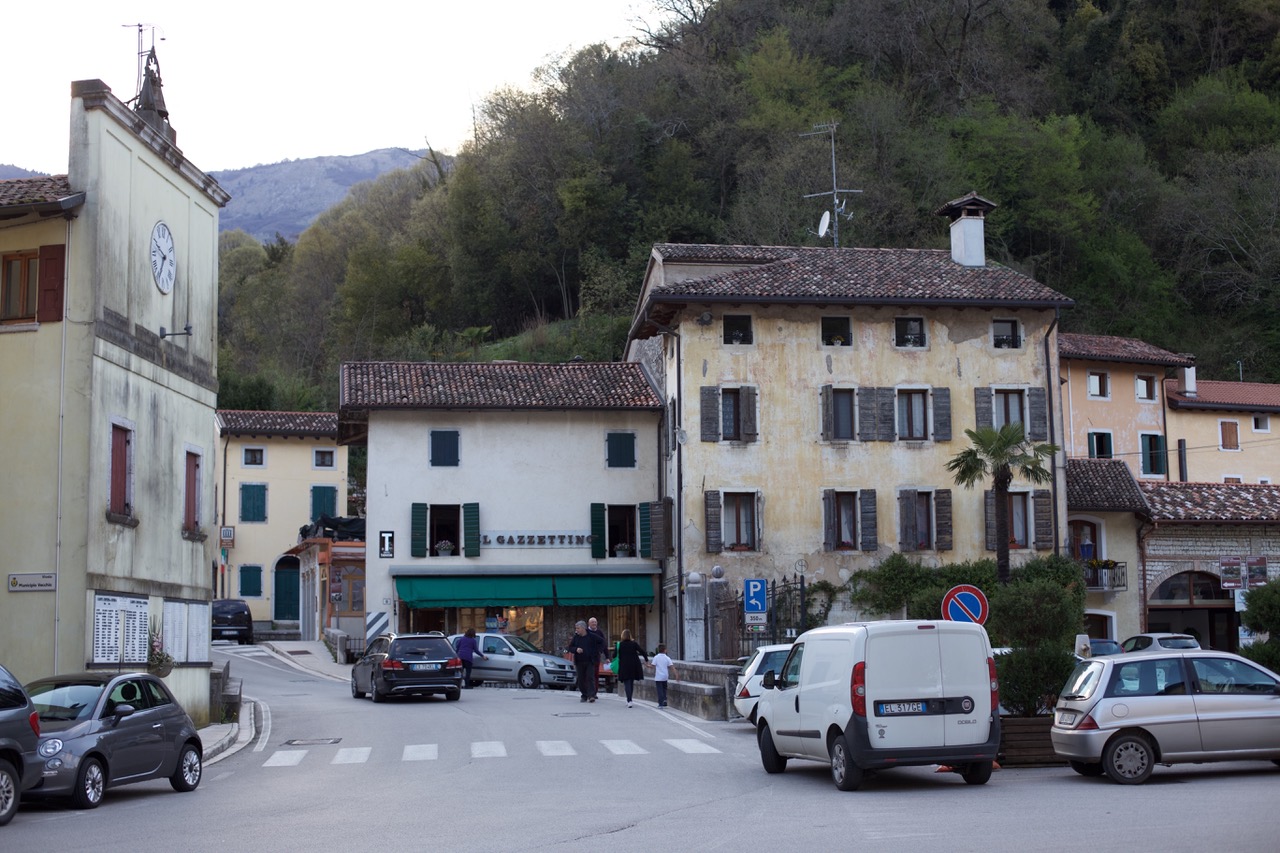
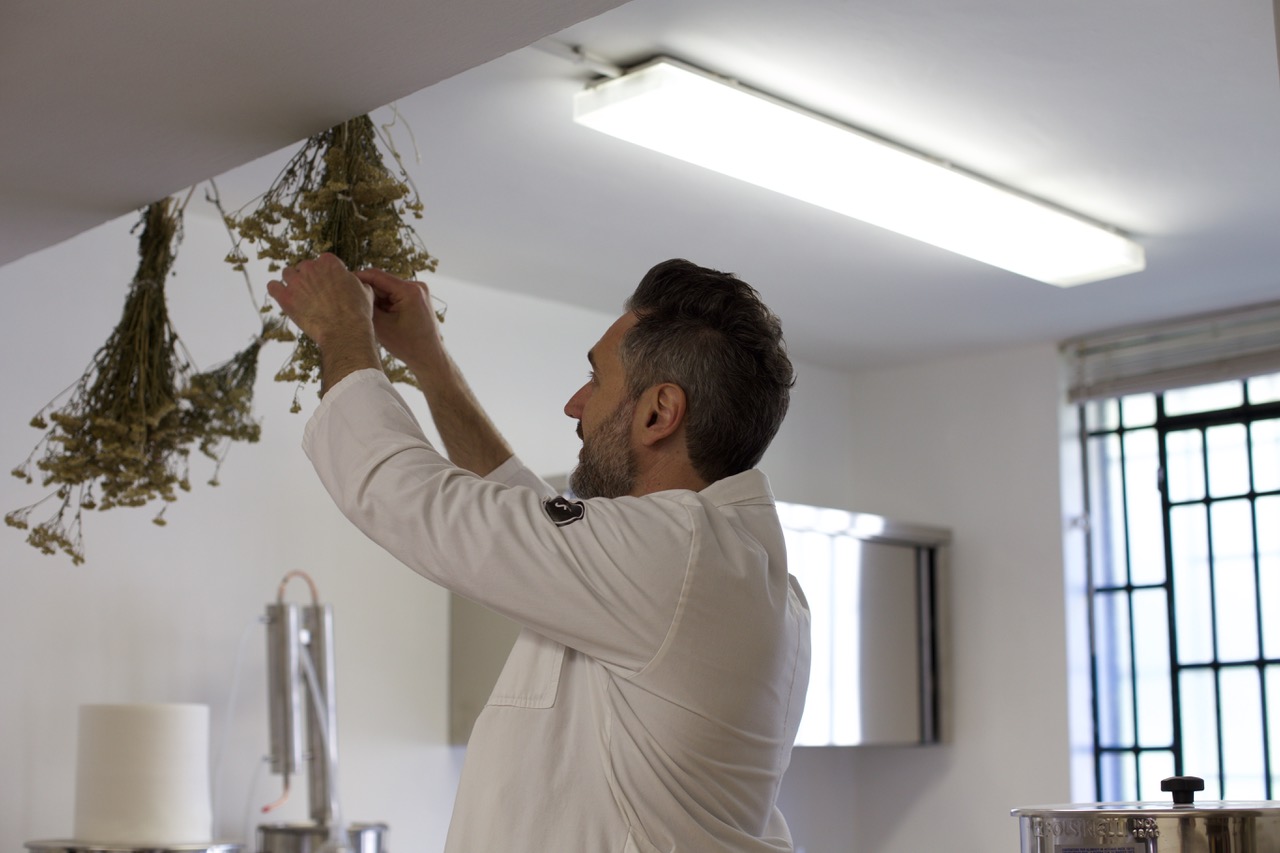
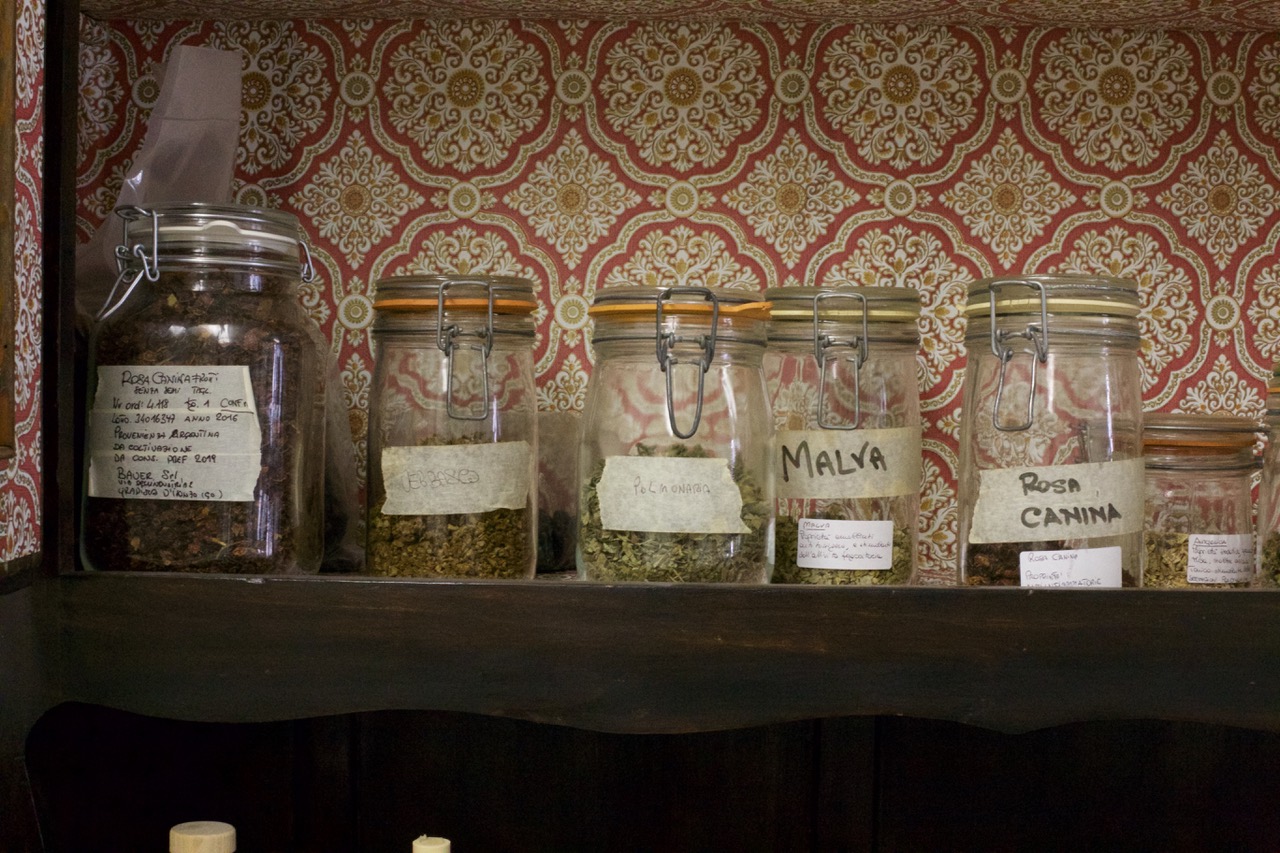
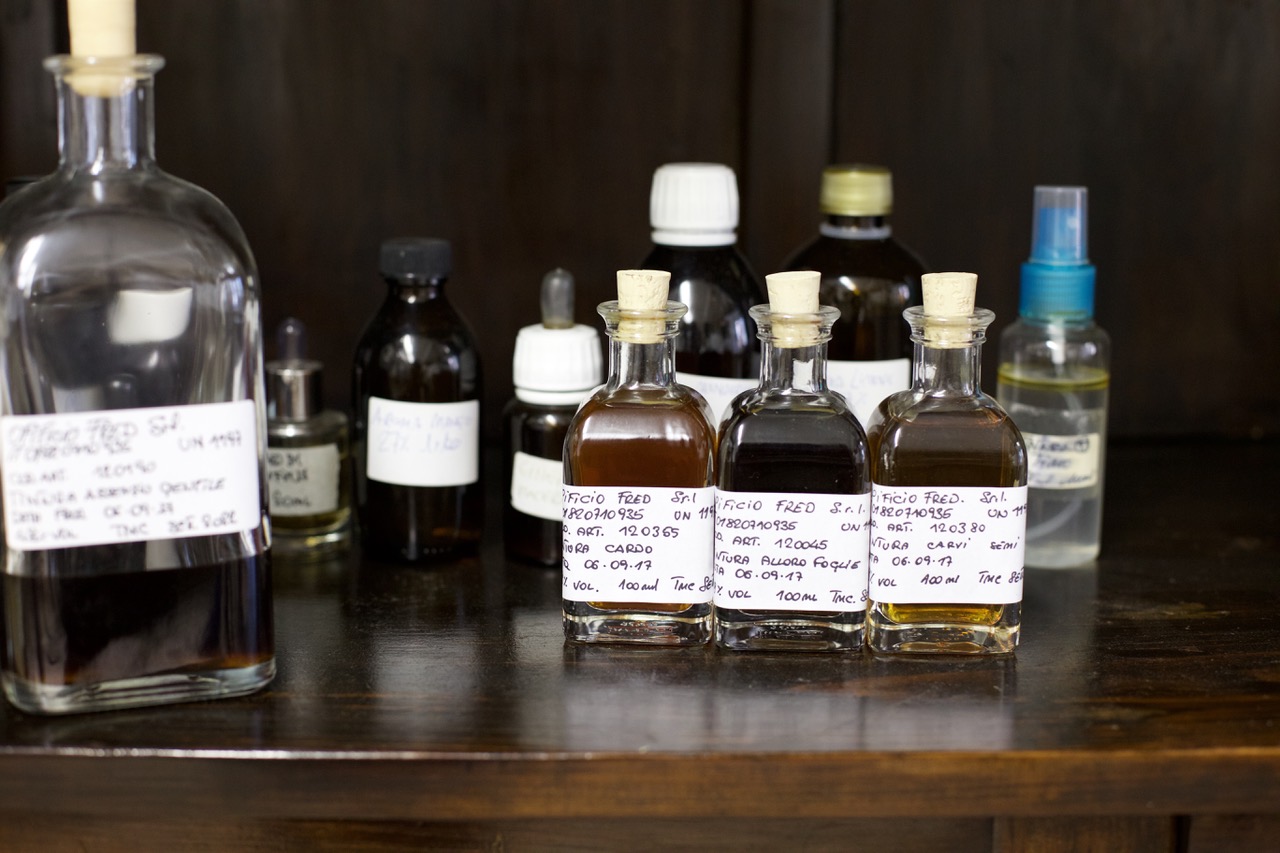
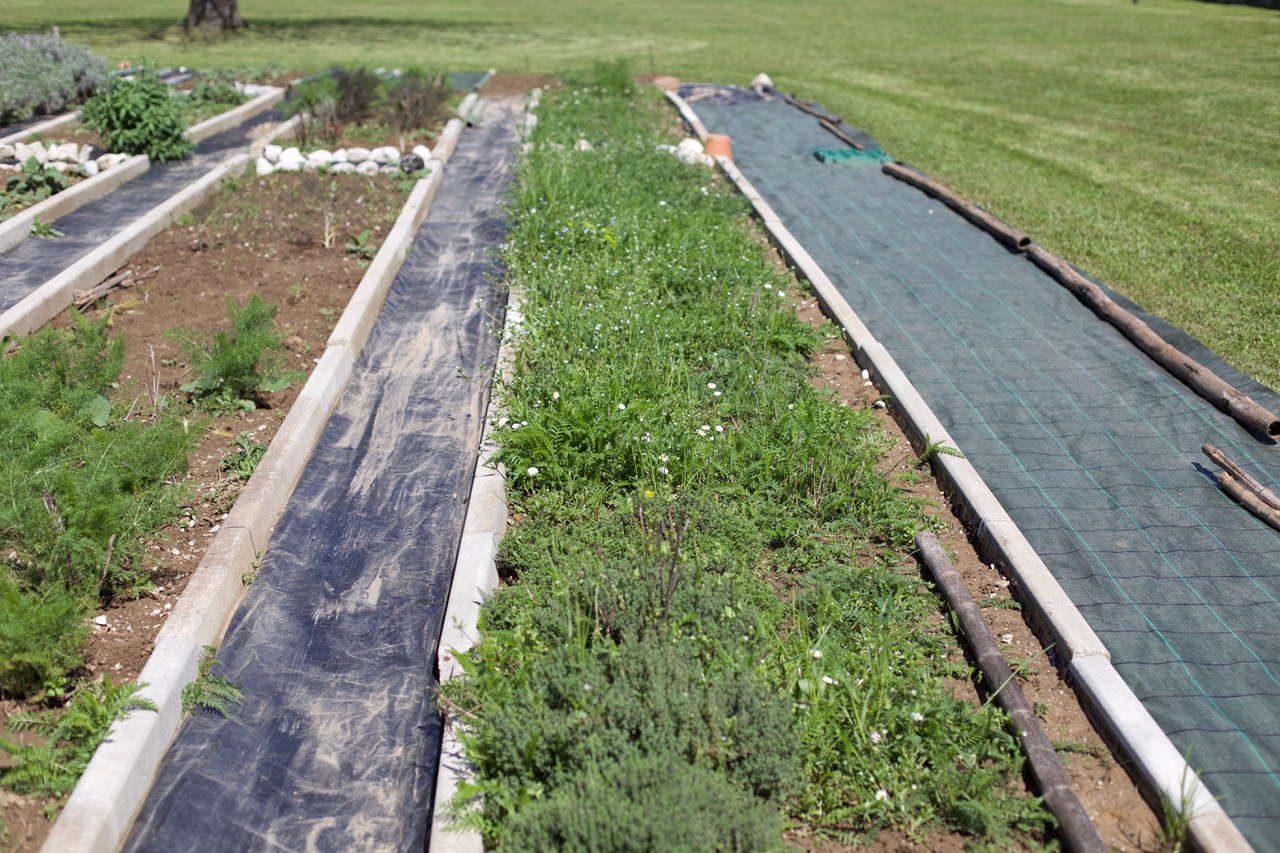
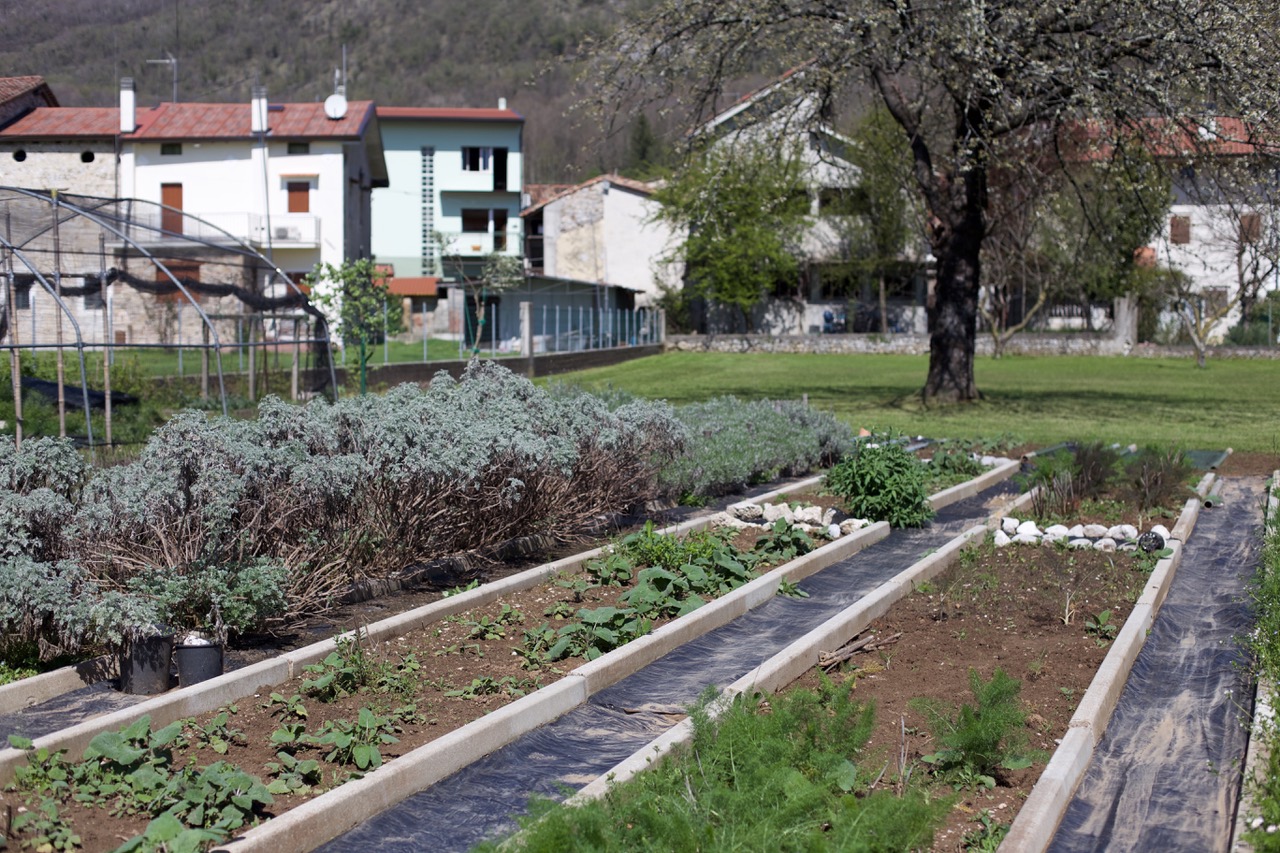
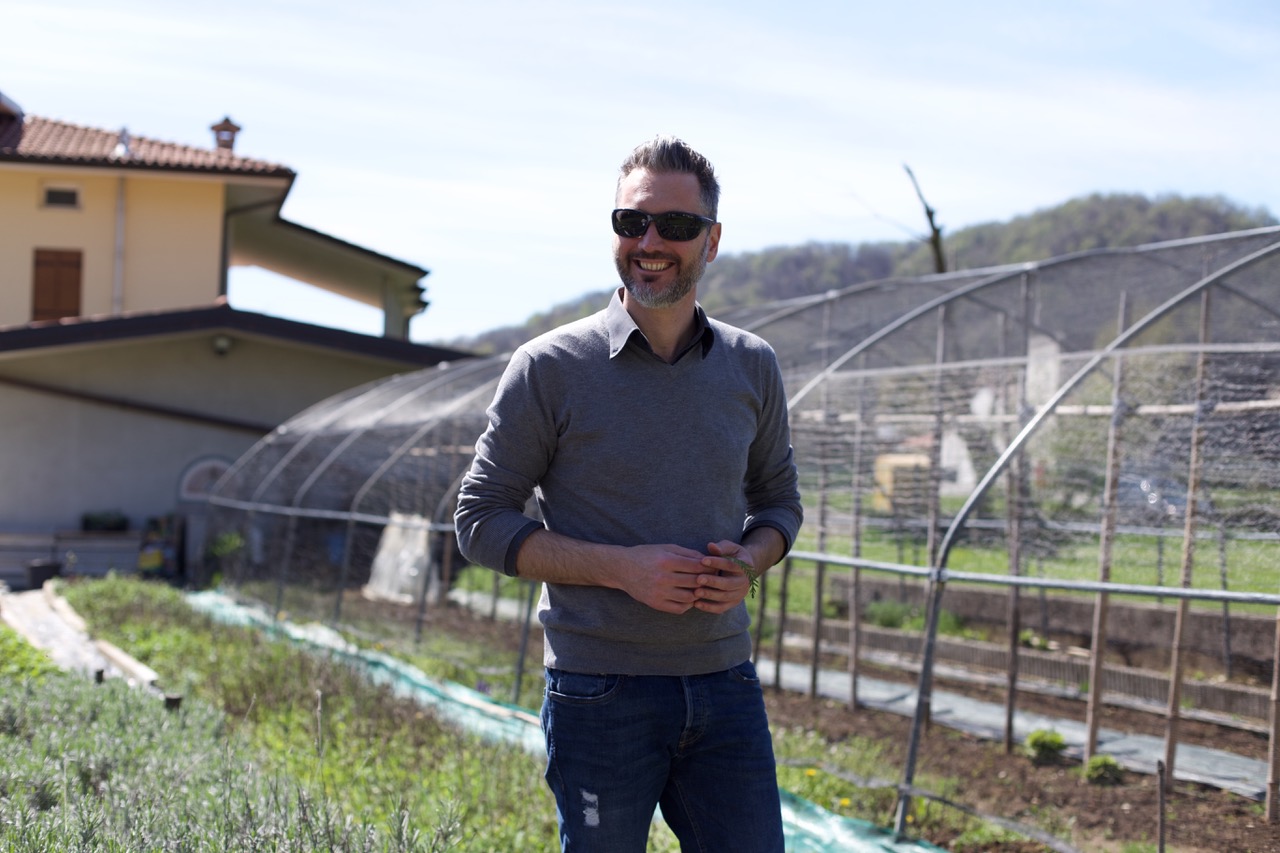
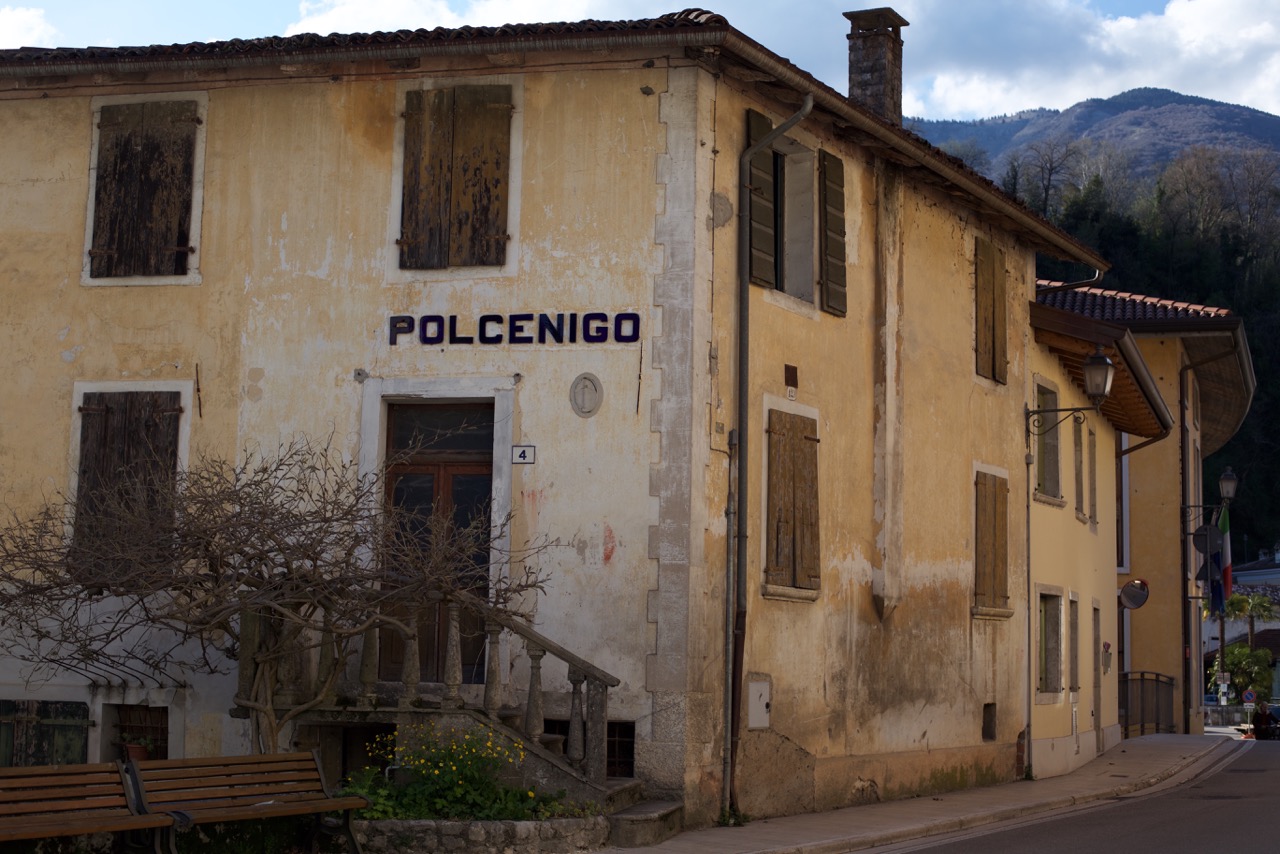
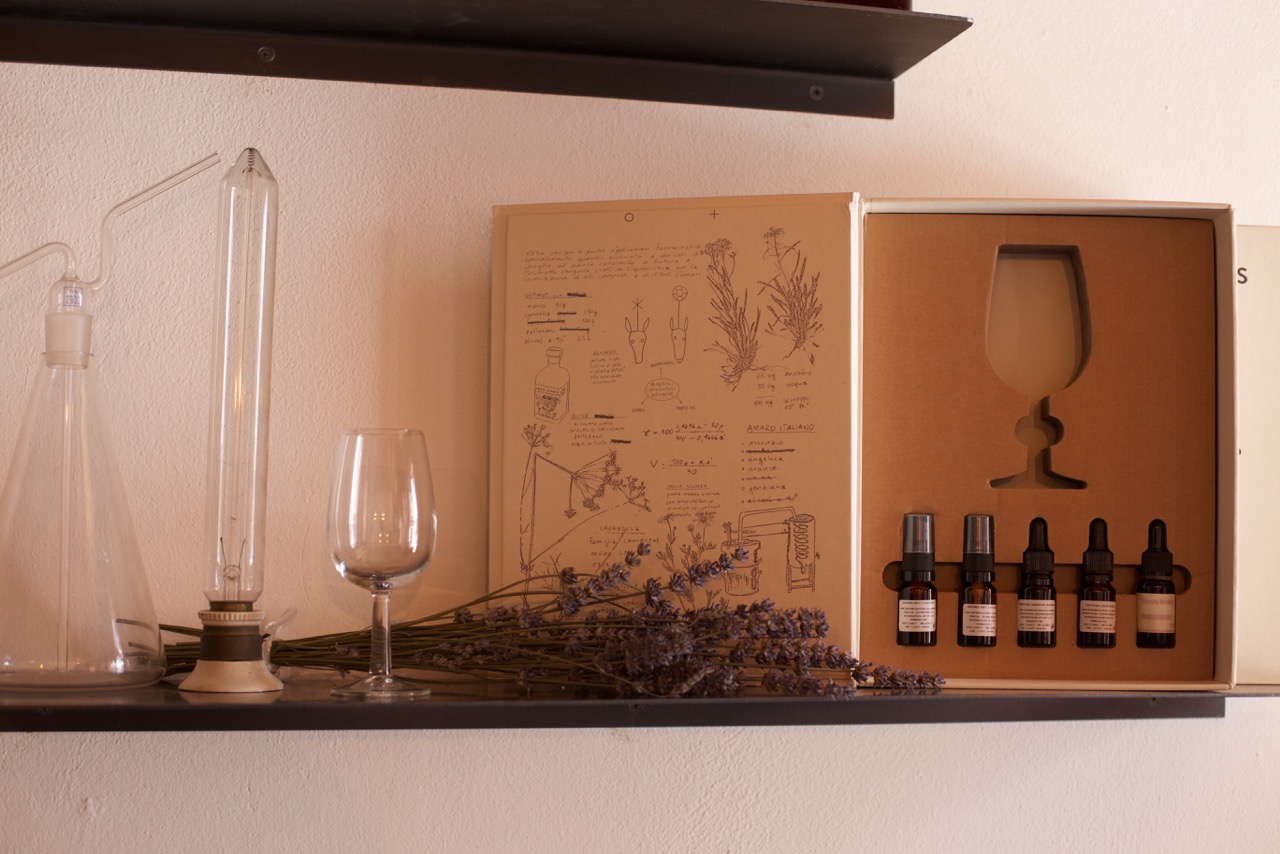
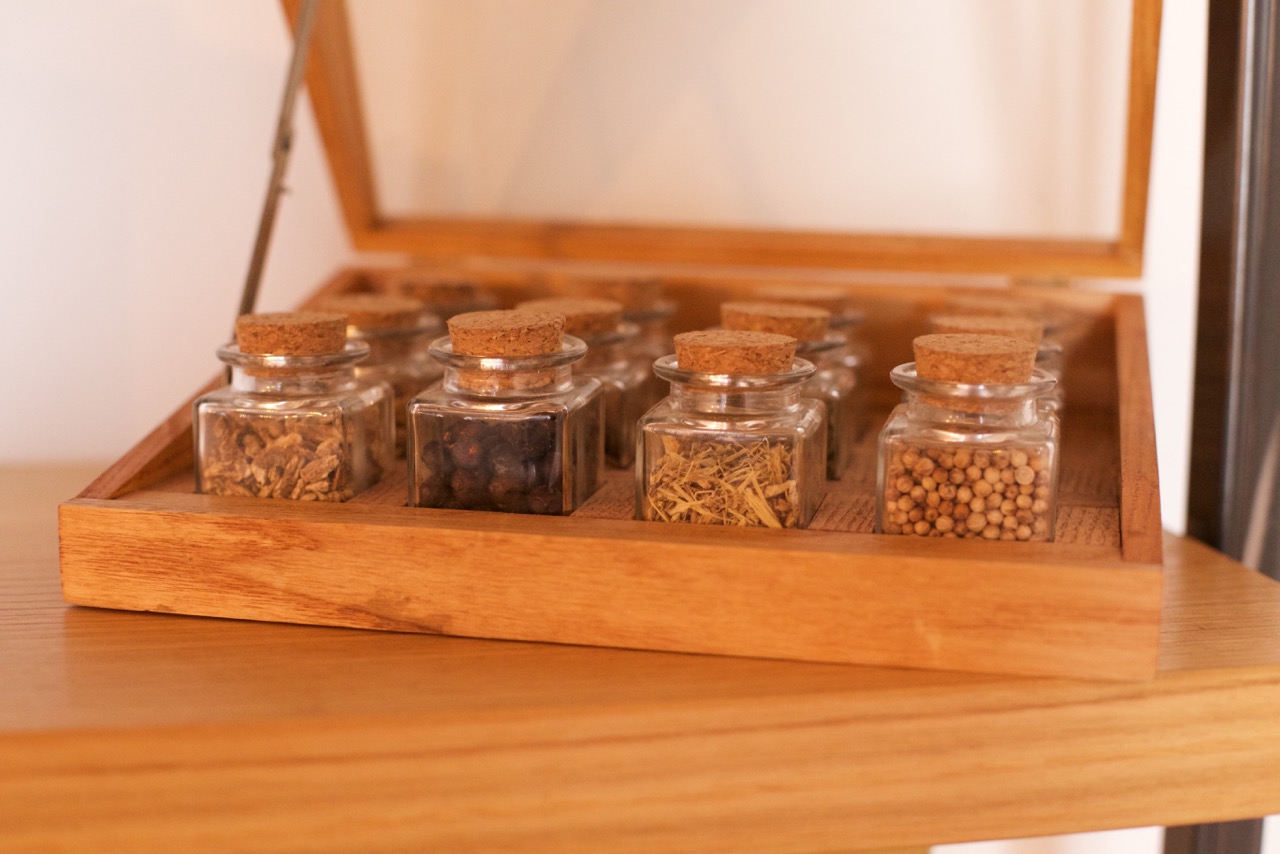
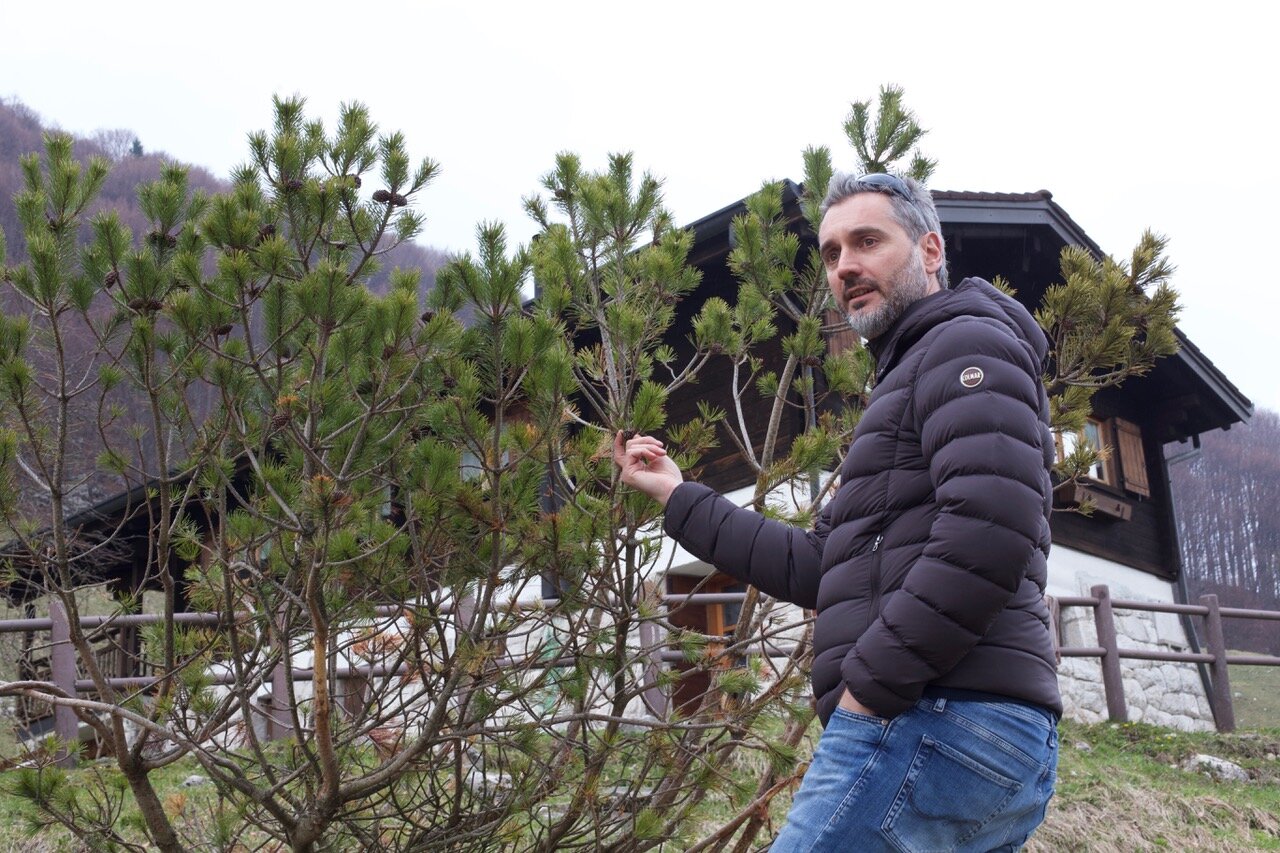
Federico ‘Fred’ Cremasco is a remarkable young producer of Vermouth, Bitter, Amaro, Gin and Fernet from the town of Polcenigo, in Friuli. You could call him an herbalist; he devises recipes for his products from combinations of botanicals, some foraged wild nearby, some grown by him, some brought in from other areas, then creates his elixirs from these botanicals using varying methods of extraction.
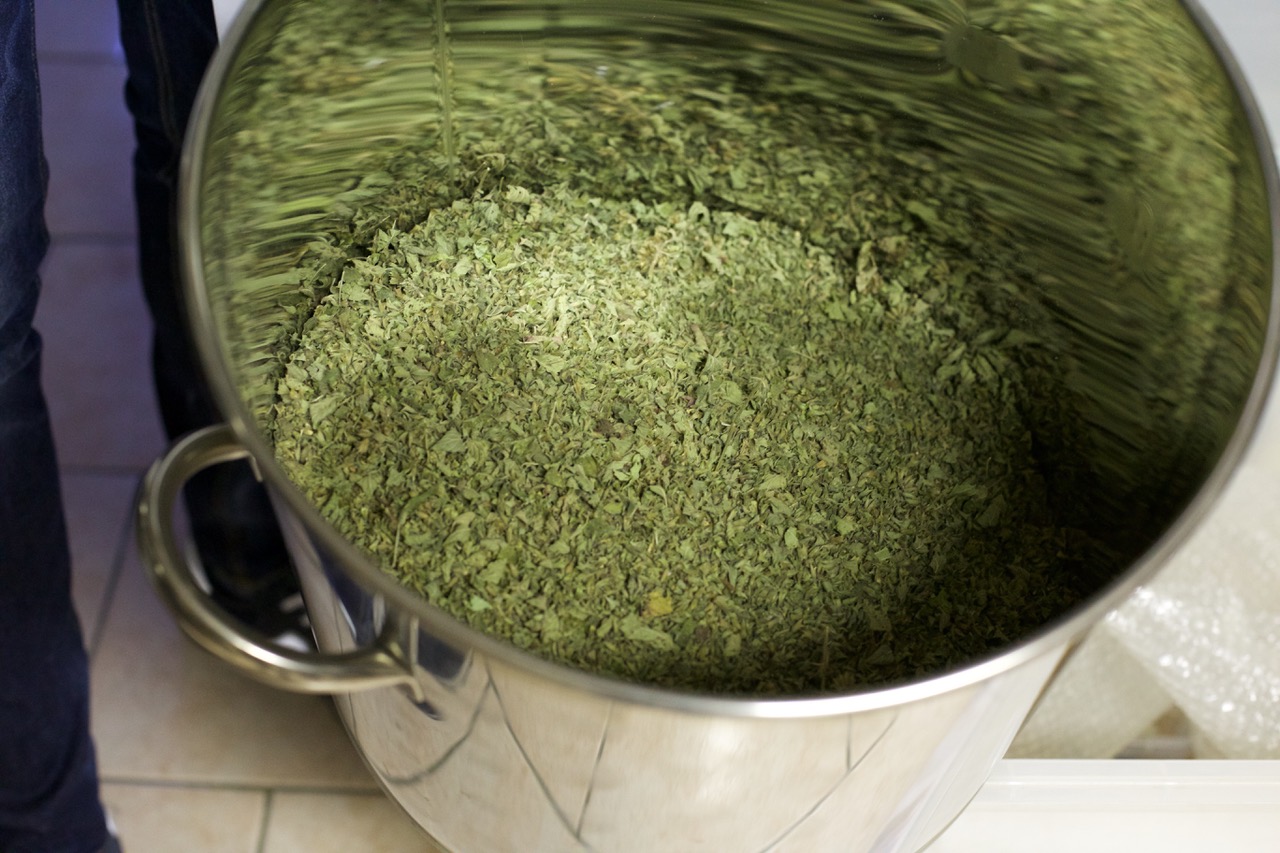
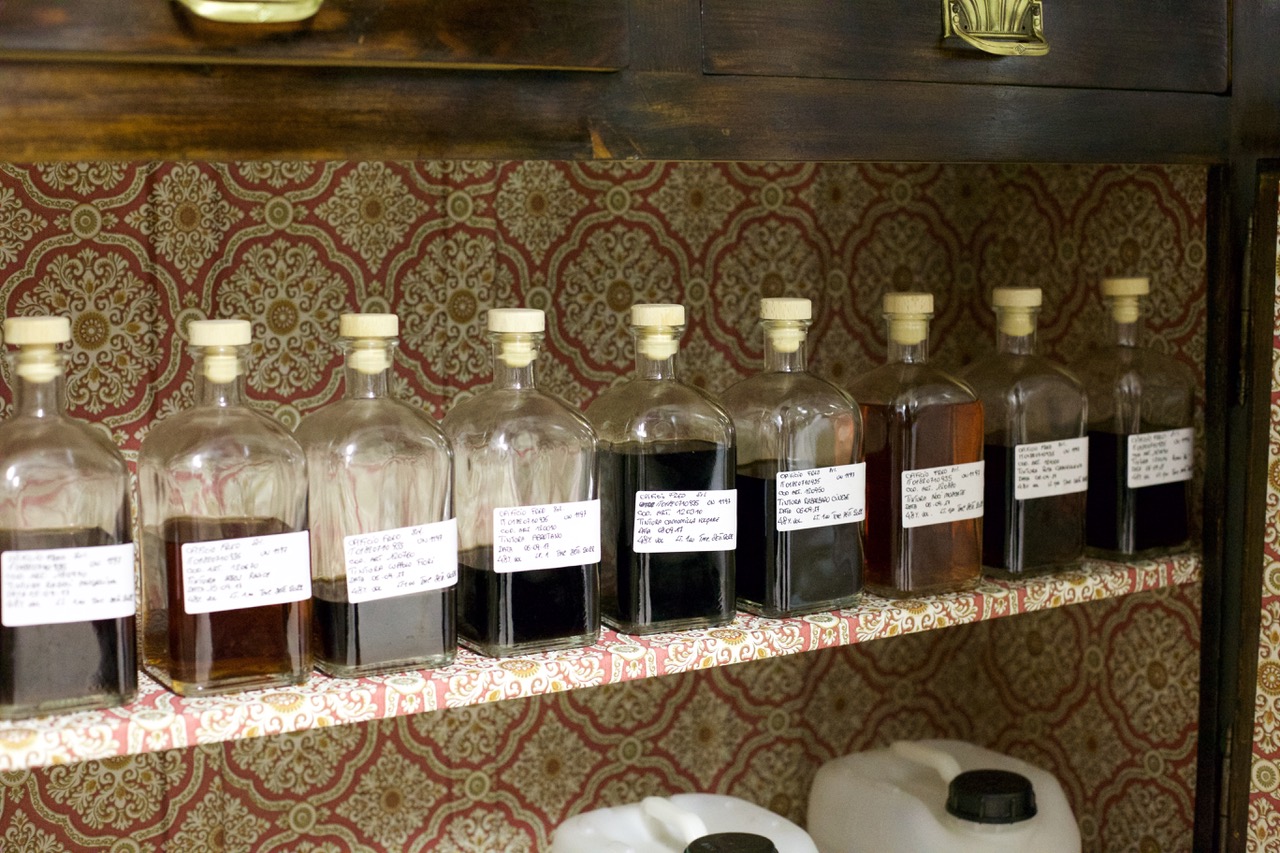
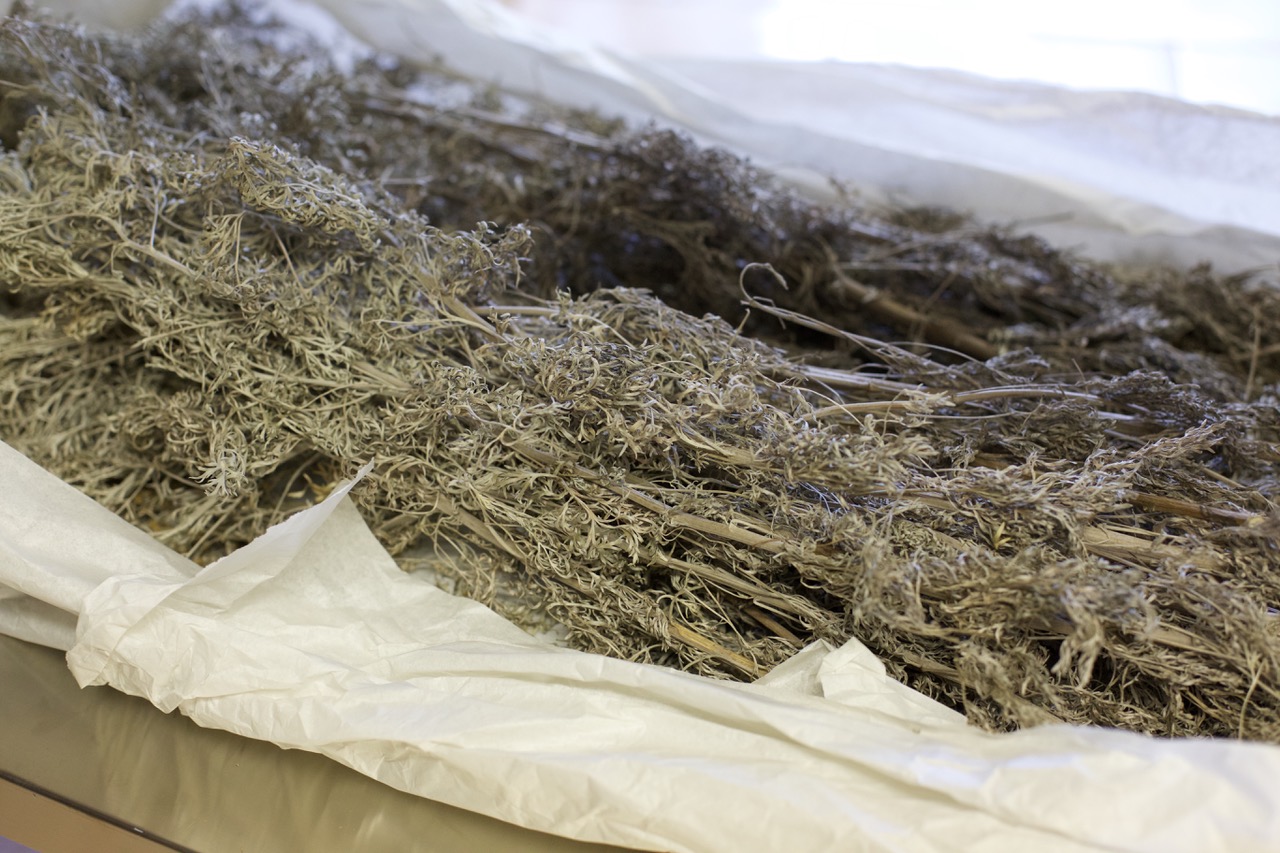
He has experimented endlessly, trying out different methods of extraction (alcoholic distillation, steam distillation, cold maceration of fresh herbs, cold maceration of dried herbs, and hot maceration of fresh and dried herbs) to discover which method best suits the individual botanical. He then devises recipes for his alcoholic elixirs from combinations of these botanical extractions.
For most of the products, each botanical is treated individually, to make sure that the exact right level of extraction is reached for each substance; many producers throw everything in together (indeed many producers buy pre-made ‘amaro base’ from large companies who specialize in such things, just adding sugar and water). Fred takes enormous care in his work and the result is a collection of some of the highest quality spirits we’ve ever tasted with layers of flavor and a sense of place.
_____________________________________________
spirits: jerbaris
Gin43
Production method: Five all natural extractions: Alcoholic distillation, steam distillation, cold maceration of dried herbs, cold maceration of fresh herbs, and hot maceration, all using nearly pure alcohol.
INGREDIENTS: 43 botanicals, including juniper, angelica, lemon, orange, mandarin, thyme, lavender, mint, anise, fennel, mountain pine, Melissa, iris, masterwort, savory, clary sage, wormwood, yarrow, licorice, saffron, orange blossom, hyssop, marjoram.
COLOR: straw yellow, from the cold infusion of orange blossom and saffron
BOUQUET: Fred’s notes: ‘More juniper than classic gin, a violet scent from the iris, a touch of lavender and citrus, a herbaceous combination of coriander and angelica, ending with mint.’
FLAVOR: ‘Gin 43 has a delicate herbaceous but persistent and citrusy flavor; sweetness given by the mixture of dill, fennel, licorice and anise. A note of bitterness is given by the maceration of the masterwort, gentian, aromatic calamus (or ‘sweet flag’), wormwood, and the essential juniper. A final note is from angelica seeds and roots; on the finish a fresh taste from thyme, melissa, sage, and mint.’
USE: Outstanding in the classic cocktails; try a Negroni with Fred’s vermouth, bitter, and gin. Or with good tonic water.
bitter34
Campari may be the most famous and classic Italian ‘bitter’, a spirit type mostly used to make aperitivi cocktails (before dinner drinks), but Fred’s Bitter 34 takes the category to an entirely new level. With no artificial flavors or colors, the drink is naturally and beautifully orange hued, appropriately citrusy and bitter and made with only half the sugar level of Campari and other large brands, one of the ways Fred achieves the balance we look for in our spirits.
Concocted of 34 different botanicals using three methods of extraction: cold maceration of the dried plant, hot maceration, and steam distillation, all in nearly pure alcohol.
INGREDIENTS: 34 different botanicals including gentian, angelica, wormwood, orange and lemon peel.
COLOR: tending to orange, entirely from the natural color of the botanicals; no coloring added, unusually.
AROMA: herbal and orange notes; complex, rounded and balanced.
FLAVOR: delicately but persistently herbaceous; bitter, but balanced. The perception of alcohol is subtle, due to the use of a traditional recipe with a small amount of sugar. The body shows bitter notes from the maceration of botanicals like gentian root, and richness from the other botanicals that give complexity and persistence. The finish is soft and round thanks to the citrus.
USE: Ideal in the traditional Italian cocktails mixed with the other Fred Jerbis products.
Useful information about Bitter as a type of liqueur here: https://punchdrink.com/articles/guide-to-red-bitters-italian-aperitivo-liqueurs/
Amaro16
16 different botanicals infused together in nearly pure alcohol, following an old recipe from an order of monks. All the ingredients are Italian, among them are linden-leaf, ash leaf, mulberry, rhubarb root, currants, orange peel, and cypress leaf.
COLOR: deep natural amber, from the infusion of the plants. No color added, unusually.
AROMA: of tree buds, with herbaceous notes typical of tree leaves, the usual root aroma emerging
FLAVOR: herbaceous, balanced, delicate, with intensity but also rounded and balanced, finishing with a pleasant bitterness. Notes of bark, buds, as in a forest when it’s just been raining; slightly citrussy on the finish. Bitter finish but rich, and very persistent. Note that the sugar ratio in this Amaro is 15%, about half of that found in many commercial examples.
USE: the classic use is straight, after dinner, as a digestivo, but the Amaro is also perfect in craft cocktails such as the Hanky Panky.
fernet25
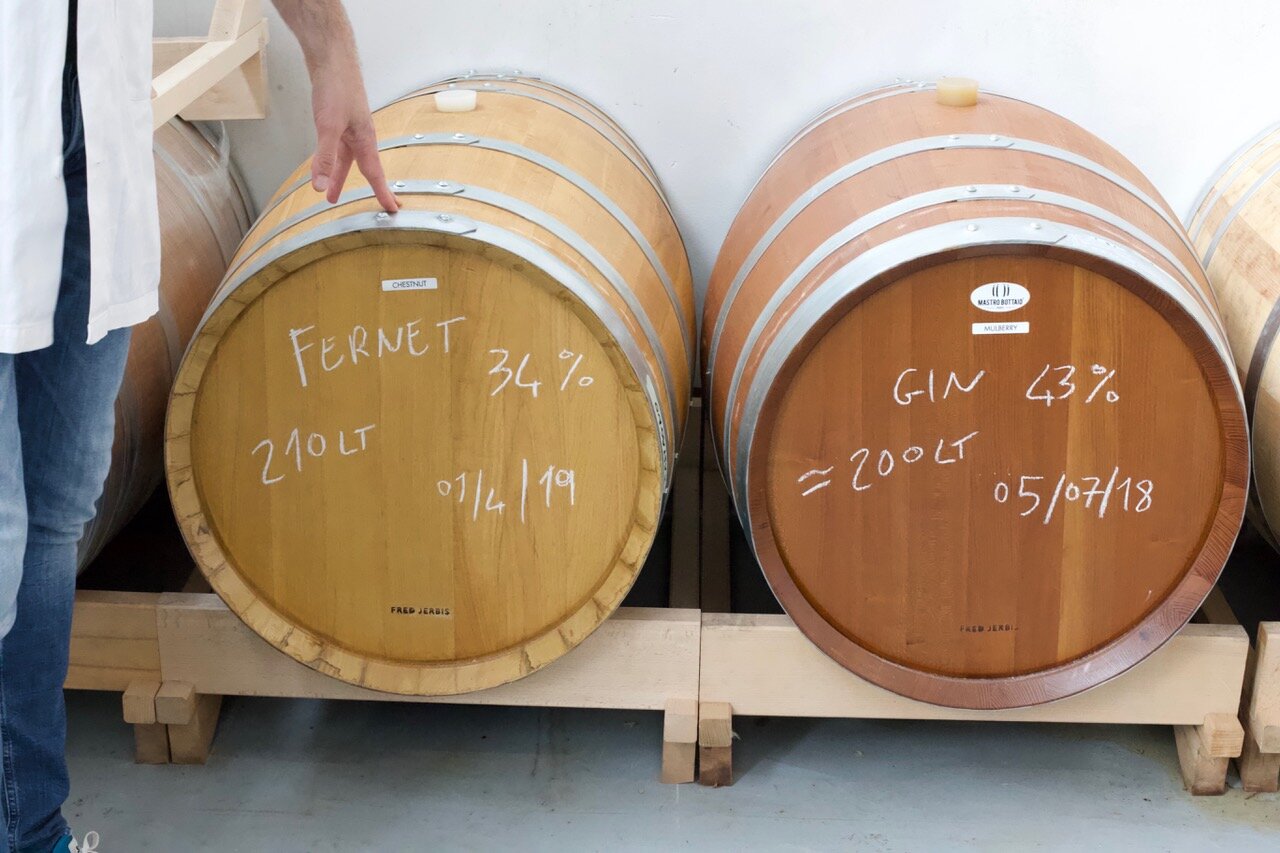
25 different botanicals infused together in nearly pure alcohol, including Masterwort, Chamomile, Bitter Orange peel, yarrow (Achillea Moschata), mugo pine, Chinese Rhubarb, Bay Laurel, Yellow Gentian (Gentiana Lutea), Peppermint, saffron, dandelion, licorice, Garden-chamomile, yarrow, rhubarb, Bay Laurel, peppermint, dandelion. Matured in chestnut barrels.
COLOR: deep and dark, from the infusion of the plants. No color added, unusually.
AROMA: Stront mint and rhubarb notes
FLAVOR: Savory and sumptuous, the chestnut barrel maturation adds structure and the Fernet finishes with mint and herbal flavors.
USE: the classic use is straight, after dinner, as a digestivo, but it also works well in a Toronto, a rye-whiskey Manhattan, as the vermouth substitute.
spirits: Sagrestan
The Sagrestan line of vermouths was developed as an homage to Fred’s grandfather. He held the position of sagrestan (translation: sexton) of the church in their town and produced wine from the land where Fred now grows his herbs.
Vermut25
Not that many years ago Italian Vermouth as a category was dominated by industrial-scale companies, and drinkers looking for lively, fresh, distinctive flavors went elsewhere. Not now. Fred Cremasco uses Verduzzo, a high-quality Friulian white wine, as his base and 25 different botanicals in this Vermouth (‘Vermut’ in Italian). As is traditional with sweet vermouth, caramel color is added (the color comes from the caramel normally, not from red wine). The vermouth was the first of Fred’s creations that I tasted, and I was knocked out by it. Vermouth was mostly an industrial product until recently, and tasted like it; maybe you’d use it in cocktails but no-one in their right mind would actually drink the stuff neat. This was entirely different; it was lively, distinctive, complex, and balanced - balanced in flavor combinations, and in bitterness versus sweetness. This vermouth can of course be used to make wonderful cocktails, but it is also an excellent aperitivo with just a splash of soda and an orange slice. What an end to the working day!
PRODUCTION: The base wine is aged for a year in tank with some ullage, to oxidize it slightly. Extraction of botanicals is is by cold maceration of dried herbs, and hot maceration, in nearly pure alcohol. All botanicals are prepared individually.
INGREDIENTS: 25 different botanicals, as prescribed in an old Italian recipe; including three different varieties of wormwood, two of orange, Gentiana lutea, cinchona bark, masterwort, sage, hyssop and angelica.
BOUQUET: a complex aroma of fresh botanical notes, particularly citrus (bitter orange) and herbs. Appetizing.
FLAVOR: very complex, refined flavor of herbs and citrus with a beautifully balanced bitterness on the finish. Fred says ‘Thanks to a special processing of the herbs, the body has fruity notes that range from red fruits to black cherry; the bitter tones come from the maceration of herbs like gentian root and cinchona bark. Rounded and smooth in the end, thanks to the seeds and roots of angelica.
Note: This may throw a sediment, which is a sign of minimal processing and high quality.
Vermut Dry
The Vermut Dry is Fred’s take on the traditional Chambéry style, however there are a few key differences including the base wine, produced from Ribolla Gialla (local to Friuli). Known for its acidity and florality, it establishes a refreshing foundation for the botanical additions. On the palate the Dry is decidedly savory, with the expected citrus and nutty notes and a second twist - the brilliant addition of fresh dill which shines through on the nose as does the elderflower. It has a silky mouthfeel, and finishes dry with notes of wormwood. Works best as a Fifty Fifty or topped with tonic.
spirits: ALKEMIL
Alkemil is a line of traditional liqueurs developed by Fred Cremasco: bartender, herbalist, and alchemist. It’s the latter which inspired the name Alkemil, taken from the olden practice seeking to transform common metals into gold. The Alkemil spirits are inspired by 19th century recipes, but produced using unique modern techniques developed by Fred himself through countless experiments to enhance extraction and boost flavor. Fred also draws on his bartending career to ensure the Alkemil products are balanced and useful with a freshness and energy that sets them apart from most other examples.
Alkemil alchermes
Alchermes, a red-hued liqueur, originated in Persia in the 800’s as a medicinal tonic and was named after the beetle used to color it: al-qirmiz. The recipe was adapted by a Florentine pharmacy in the 1700s, again for medicinal uses, and is still used locally as a digestivo and to color traditional pastries. Today we think its warming spices would pair well with brown spirits, and also take well to a spritz.
Alkemil Rosolio di bergamotto
Rosoli are traditional, low alcohol Italian liqueurs made from a single infusion of either fruit or flowers. The Bergamotto uses several methods of extraction to obtain a concentrated and complex liqueur. Expertly balanced between sweetness, bitterness, and alcohol, with intense aromatics of orange blossom, lemon zest and key lime. The palate is delicate with lavender, orange oil and candied orange zest.
ALKEMIL CREME CASSIS
Cassis is a traditional French liqueur but in Fred’s hands it benefits from an Italian twist. The fruit’s source on a mountain behind Polcenigo naturally produces berries with higher acid than when grown in France. Fred works with the natural strength of the botanical creating a vibrant version of cassis with a soft sweetness and delicate palate, though this belies the intensity of the blackcurrant flavor - which is almost boysenberry-like. Ends with a persistent finish that is all flavor, no cloying aftertaste.
ALKEMIL RATAFIÀ CHERRY
The name Ratafià comes from the latin word for ratification, which was used when a treaty was passed. The parties involved celebrated afterwards with a drink, and it is believed that the liqueur took on the name as well. Balanced between sweetness and acidity, and small amount tannin added by the merlot. Rich texture; flavors of dark chocolate and macerated cherries.
_____________________________________________
bottled READY TO Drink cocktails:
negroni
_____________________________________________