Marolo
About Marolo:
Grappa is one of Italy’s most distinctive spirits. (Grappa is the Italian word for brandy made from pomace, the solids left over from wine-making. The word grappa only applies to the Italian version, but most wine cultures have something like it; for example, the French equivalent is called Marc.) Grappa must have been originally created as an economy measure; an economical winemaker knew the pomace still contained a fair amount of alcohol, thought it would be a shame to waste it, let’s throw it in a still to extract the leftovers. This kind of basic grappa has existed for centuries, and is still prevalent; the well-known large producer Nardini was founded in 1779.
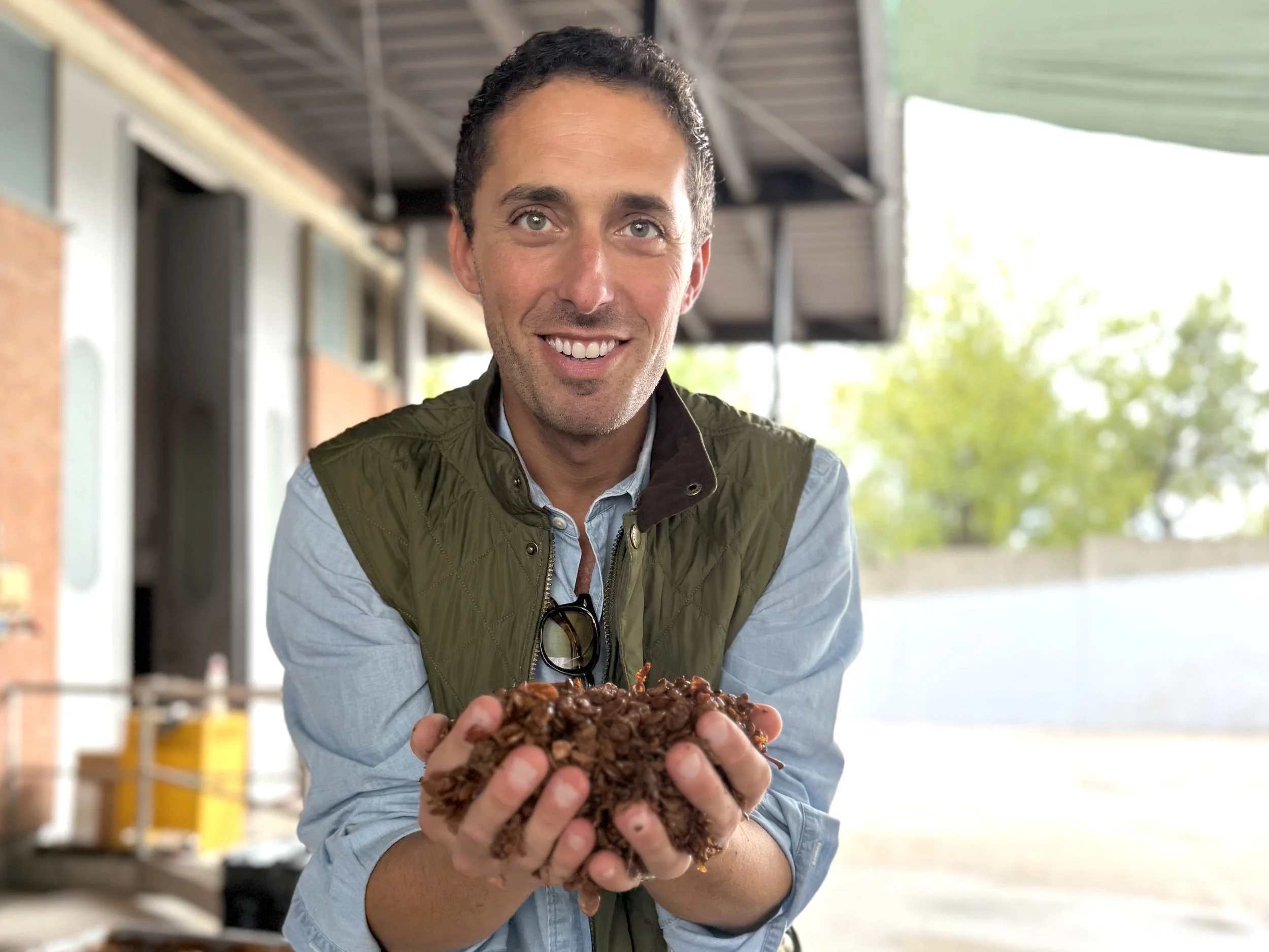
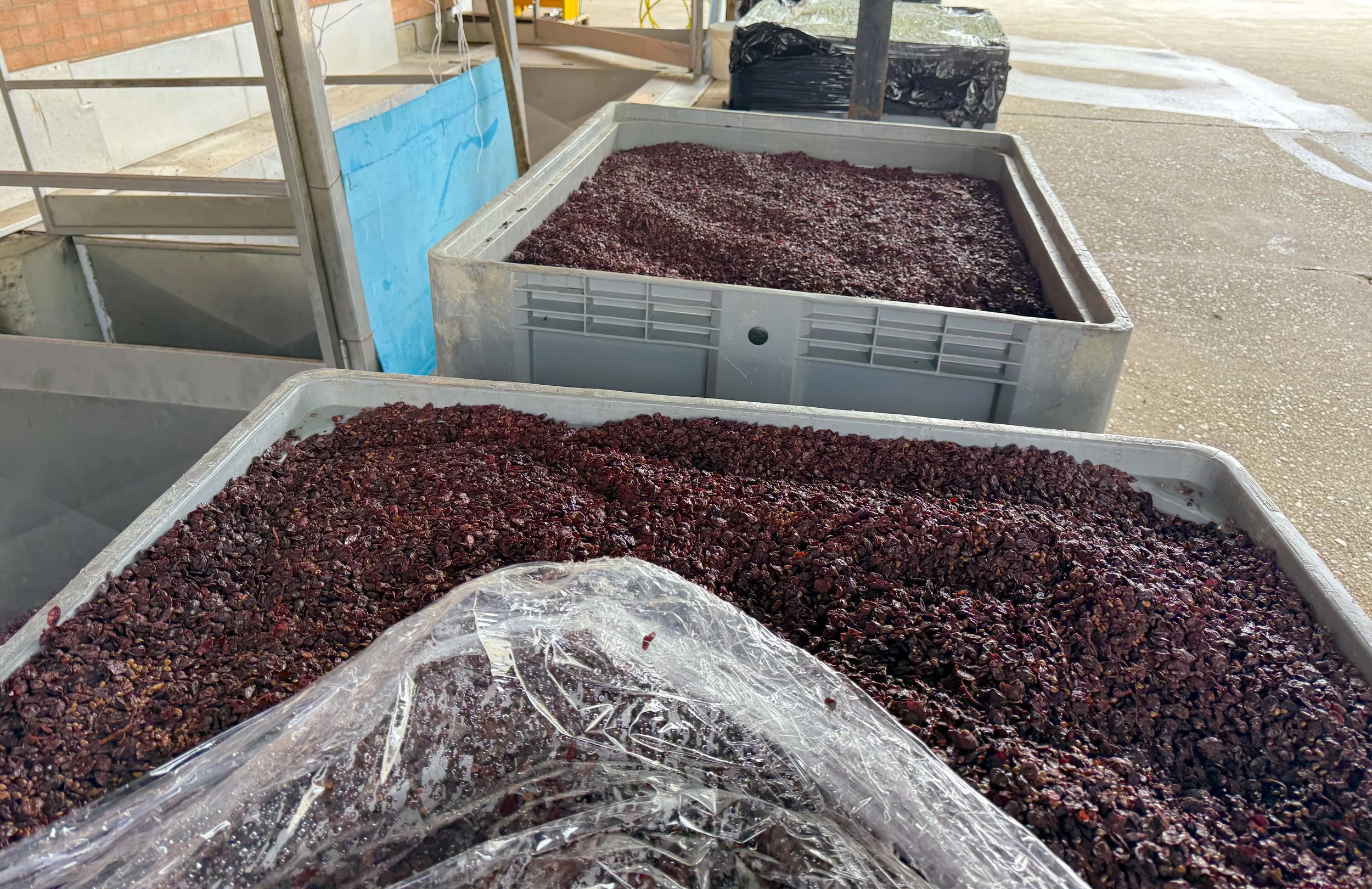
The movement to produce fine grappa was born in the 1970s; the Nonino distillery started bottling high-quality varietally labelled grappa in 1973, and Paolo Marolo founded his distillery in Alba, the heart of Italy’s most famous wine-producing area, in 1977. Paolo had been a student at Alba’s famous Enology School, and then a professor of herbology there. Paolo started distilling small batches of very fresh pomace, using pot stills heated using indirect heat (‘bains marie’). Fresh, just-pressed pomace is a prerequisite for high-quality grappa; the Marolo family maintains strong relationships with wine producers to make sure that they can pick up the pomace as soon as it’s pressed. In fact they have their own truck that makes the rounds to their winery partners to ensure freshness. And if they aren’t able to start distillation within three days of arrival, they sell the pomace on the secondary market. Importantly, the distilling only happens for three months a year, in co-ordination with the winemaking schedule, to make sure that the pomace is fresh. Most of Marolo’s grappas are made from local pomace, from wineries in the nearby appellations Barolo, Barbaresco, the Monferrato and the Roero, although they also have contacts in Liguria and the Alto Adige.
RaW Material
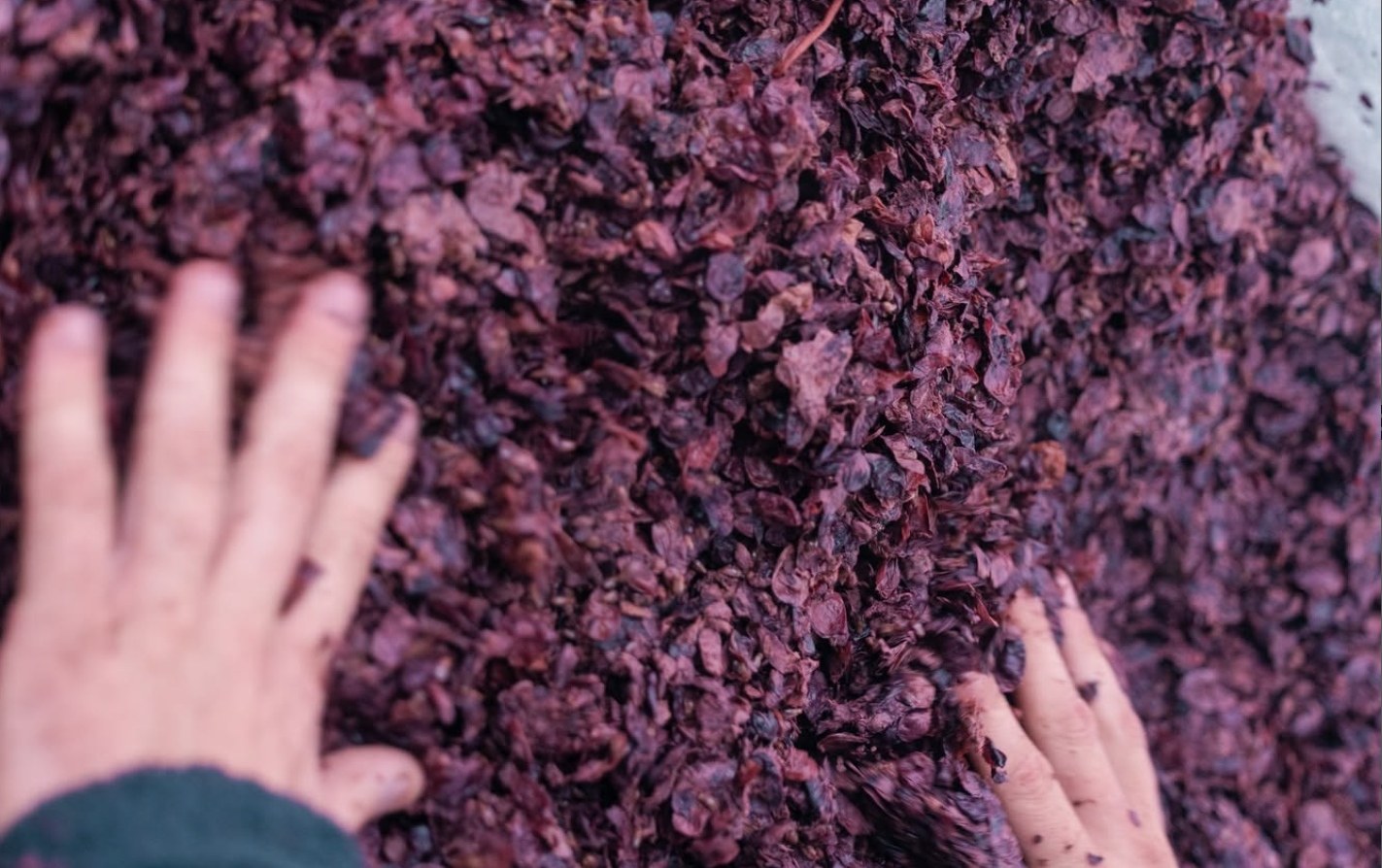
Marolo Grappas, and all fine grappas, are made from the pomace from high quality wine production. This is a notable difference between brandies made from pomace and those made from wine, such as Armagnac and Cognac, which are made of wines that would not be very appealing if not distilled.
Grappa can be made from both red wine and white wine pomace. Marolo only uses pomace that does not contain stems, in both red and white distillations, as stems add a coarse note to the distillate.
distillation
White pomace doesn’t usually contain alcohol when it comes from the winery, as white grapes are normally pressed before fermentation, so water is added to it, and the pomace is fermented in the distillery in bins before it is distilled. When all the grape sugars have been fermented into alcohol, the resulting pomace is distilled. Red wine pomace, taken from the original winery as soon as it’s pressed, has about the same amount of water added to it to liberate the aromatic elements, and is then distilled immediately.
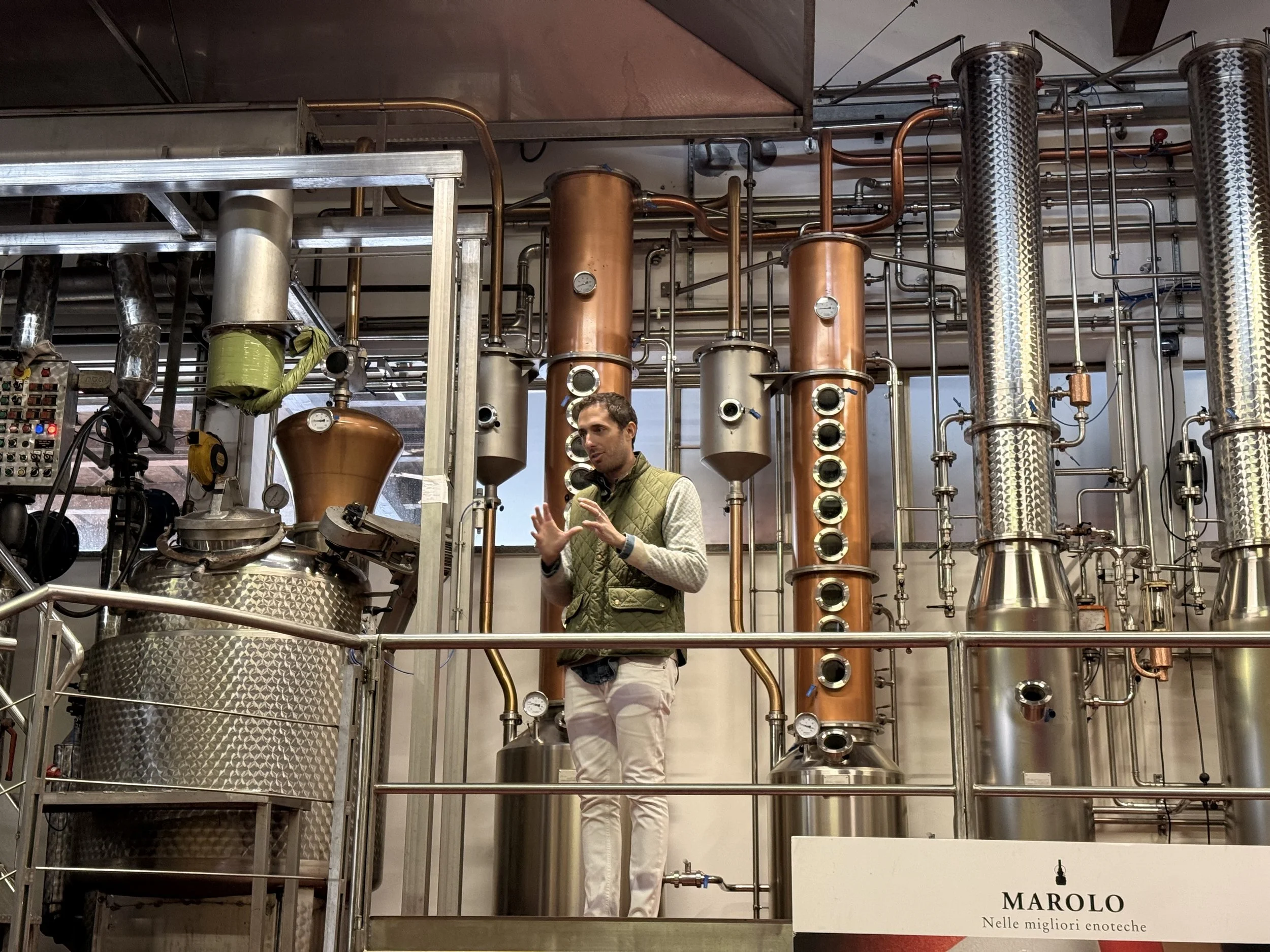
All of Marolo’s grappas are batch-distilled in small lots, in beautiful copper stills made in Trentino by the master coppersmith Tullio Zadra. (High volume commercial grappa is made using continuous distillation, which is much quicker, and gives more product, but of lower quality. )The pomace is heated using a hot-water bath or ‘bain-marie,’ rather than direct heat, so there is no risk of burning the pomace. Paolo, now with the help of his son Lorenzo, attentively works the stills, separating the useful central part of the distillate, the ‘heart,’ from the ‘heads’ and ‘tails,’ which are discarded; this is done by smell. The fresh distillate will contain around 77-78% alcohol. Each batch takes about an hour for 100 kilograms of pomace. Marolo only distills for three months during the fall, when fresh pomace is available.
Aging
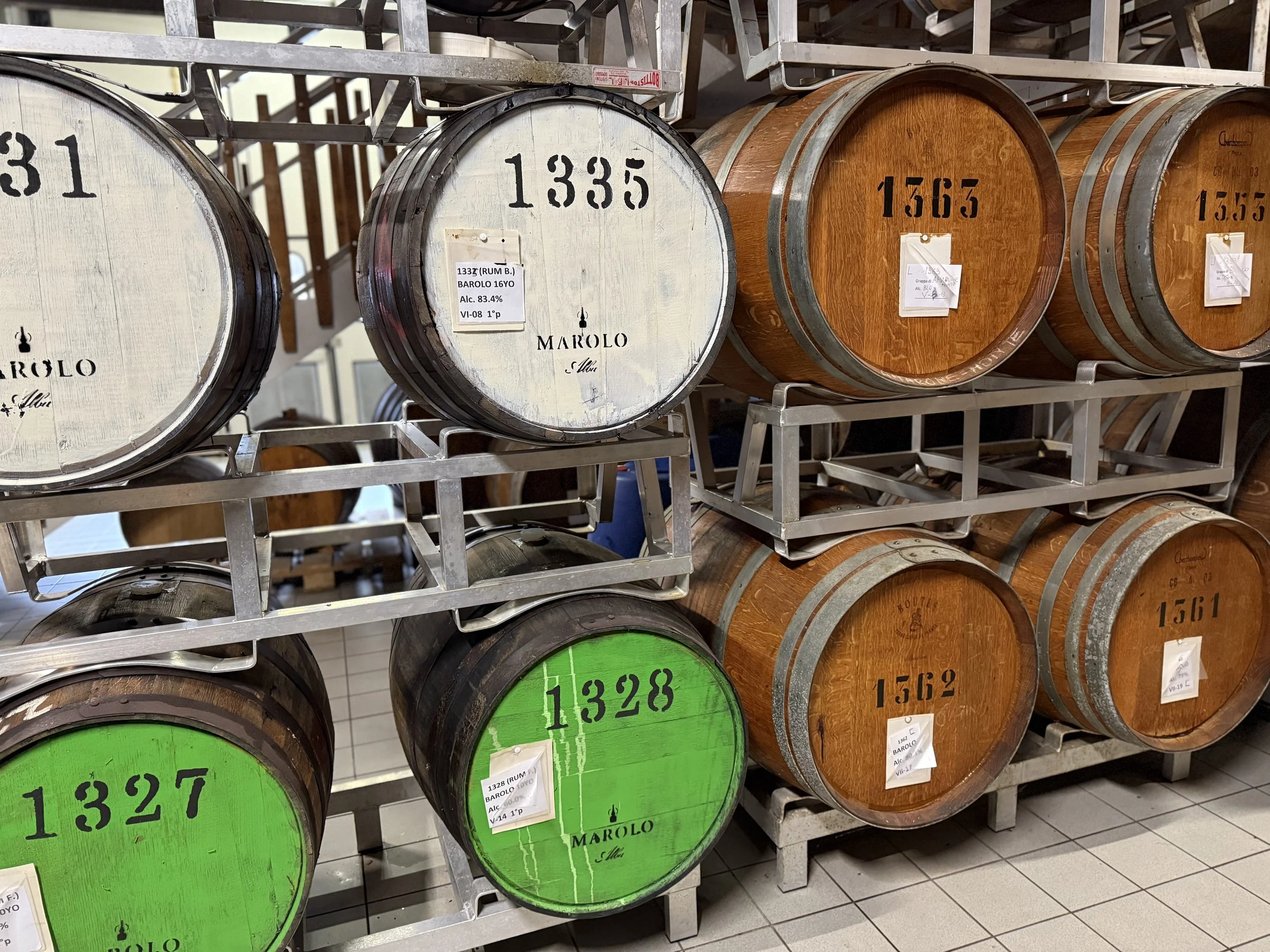
Grappa bianca is aged in stainless steel tanks to settle for a period of at least 7-8 months before bottling. Grappa was historically sold this way, with no wood aging, but Marolo bottles a number of barrel-aged grappas too. I will admit that I used to prefer the bianca, but every time I taste the range of grappas the Marolo family produces I am more impressed by the oak-aged examples. Grappa is such a distinctive spirit that it still has tons of character after aging in wood; at our last visit to the distillery I was knocked out by one partly aged in very distinctive Japanese Mizunara oak.
_____________________________________________
Spirits:
Grappa di Moscato
Grappa di Moscato is distilled from Moscato d’Asti pomace and lees from several wineries in the Asti zone, which is just north of the distillery in Alba. The pomace and lees are brought to the distillery as soon as possible after pressing, fermented completely, then distilled in small batches. After aging in stainless steel tanks for 7-8 months, the grappa is adjusted with purified water to the final level of alcohol by volume of 42%, and bottled.
Notes: varietal character doesn’t usually survive distillation, except in the case of very aromatic white grapes like muscat, and this one leaps out of the glass. Some classic muscat aroma, with pear and a hint of banana; round palate impression with lovely finishing perfume. No oak, so transparent in the glass. An excellent general digestivo, and just the thing to convert someone who doesn’t think they like grappa.
Grappa ‘Dedicata al Padre’
Grappa ‘Dedicata al Padre’ is a classic Piedmontese grappa made from Barbera and Nebbiolo pomace from several different wineries in the Roero region, close to the distillery in Alba, 60% Barbera and 40% Nebbiolo. The pomace is brought to the distillery as soon as possible after pressing, an equal amount of purified water from the local Alps is added, and the mixture is distilled in small batches in copper stills. The final distillate will be at about 78% alcohol by volume. This spirit is aged in stainless steel tanks for at least 7-8 months, then adjusted with purified water to the final level of alcohol by volume of 50%, and bottled. (Note that we have chosen to import this product at the alcohol strength it is bottled in Italy. We love the concentration and intensity that can be found in high proof spirits when the raw materials are of superior quality, which is the case here.)
Notes: no oak aging, so transparent in the glass. Classic aroma of grappa from red wine pomace, nutty, new leather, and some high-toned fruit notes; very inviting. On the palate, very direct but also round, even elegant; long, refined finish, without the roughness one associates with the category. Absolutely typical but also refined red-wine-based grappa. Great classic Piedmontese digestivo.
Grappa di Barolo
Grappa di Barolo is distilled from Nebbiolo di Barolo pomace from a number of wineries in different villages in the Barolo zone, which is close to the distillery in Alba. The pomace is brought to the distillery as soon as possible after pressing, an equal amount of purified water from the local Alps is added, and the mixture is distilled in small batches in copper stills. The distillate is then aged for four years in French oak barriques that have been previously used to age Marsala (in Sicily). This oak aging in small barrels adds some tawny color, roundness and a kind of sweetness, without obscuring the quality of the original distillate. Once the spirit has finished aging it is adjusted to the final alcohol level of 50% and bottled. (Note that we have chosen to import this product at the alcohol strength it is bottled in Italy. We love the concentration and intensity that can be found in high proof spirits when the raw materials are of superior quality, which is the case here.)
Notes: this is a great introduction to barrel-aged Grappa. Pale golden yellow color from the barrel (no caramel added); aroma of windfall apples, toasted nuts, herbs; palate shows great balance of spirit and oak-aged character, with a faint molasses note. Nicely judged use of oak barrels to round out but not overwhelm the original spirit, long finish.
Chamomile Liqueur ‘Milla’
Milla is a simple, delicious single-ingredient infusion of fresh Piedmontese chamomile flowers in Nebbiolo grappa. The chamomile is picked between late April and mid-May; after about 11 months of infusion in Grappa the flowers are strained out, filtered water from the local Alps is added to bring the alcohol down to 35%, and sugar is added. It’s an excellent digestivo by itself, and very useful ingredient in cocktails.