The 2000+ Year Old Legacy of Friuli
Michele Boscia
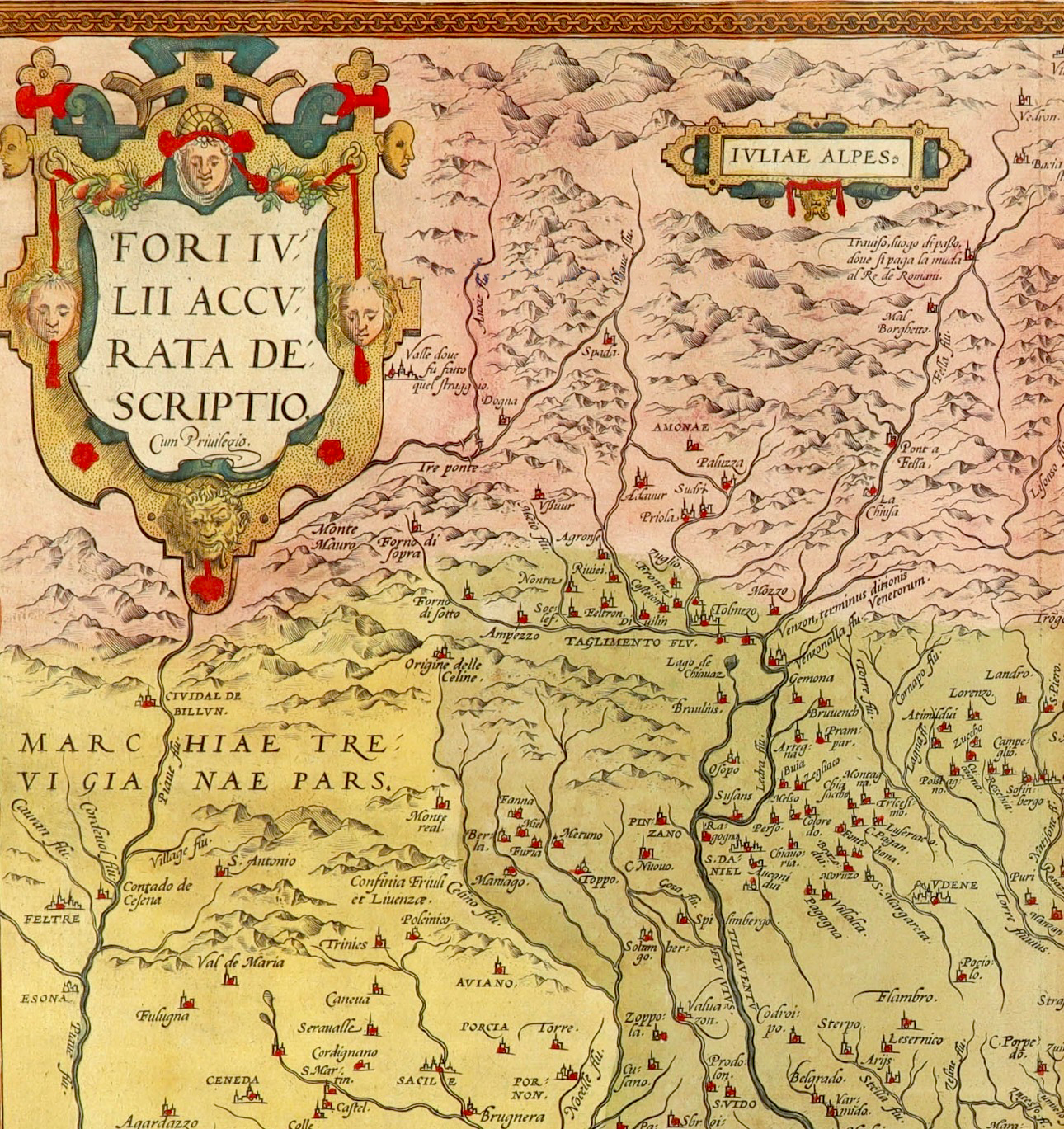
Most wine resources mention Friuli as the “powerhouse” of Italian white wine production, dating back to the 1970s when volume ramped up due to global demand for fresh, clean, and fruity specimens. While certainly true, we think there’s more to it than that! Friuli actually becomes a lot more captivating if you dig a bit deeper than the last half-century. In fact, its reputation for white wine starts over 2000 years ago, around the time Julius Caesar established the Forum Iulii there in 50 BC. As the years went by, Forum Iulii was shortened to Friuli.
The Romans, in particular, were big fans. In a recent blog about the history of the Friulano grape, our longtime friend Jeff Garneau explains that the northeast corner of Italy, along the Slovenian border today, was home to the most prized white wines of the empire. “Livia Augusta, wife of the Roman Emperor Augustus,” he writes, “lived to the extraordinary age of eight-six, attributing her longevity to drinking the wines from this region exclusively.”
Not only were the wines famous, so were the vineyards they came from. In 1786, the Hapsburg Empress Maria Theresa helped create the Wine Classification of the Princely County of Gorizia and Gradisca, a way of ranking each site. “The region’s vineyards were ranked by market price and the perceived quality of their wines into nine categories or crus,” Garneau continues; “This classification system predated similar efforts in Bordeaux and Burgundy by nearly a century.”
While the Romans would ultimately make Friuli famous, it was their logistical prowess that put Friuli on the map, rather than their agricultural know-how. With its proximity to the Adriatic, alongside its location along the trade route to Northern Europe, it was only a matter of time before the Friulano-based whites of the Udine and Gorizia provinces became prized throughout the continent.
Nestled alongside the Julian Alps (named after Julius Caesar, of course) sits the appellation of Colli Orientali, the most prestigious white wine DOC known for its marl and sandstone deposits. Once at the bottom of an ancient sea, the hillsides are planted to a number of varieties, with Tocai Friulano (now known simply as Friulano thanks to a dispute over the usage of Tokaji with the Hungarian government) and Ribolla Gialla as the two stars. South of that sits the Collio Goriziano DOC, part of the original Gorizia classification mentioned earlier. Garneau adds in his blog: “The soil is rich in minerals with good water retention, imparting an intense salinity and complex minerality.”
Over a millennium after Caesar’s death, the wines of Friuli were so valuable that they were used as currency. Garneau notes that, “a feudal land lease and tithe agreement dated 1336 allowed for the payment of rents in the form of barrels of wine in lieu of gold or silver coinage.” Which brings us to one of the most valuable and beloved white wine producers in our entire portfolio: I Clivi, a winery founded on the premise of minimal intervention, expressly to allow the rich history of these hillsides to speak with as little interference as possible.
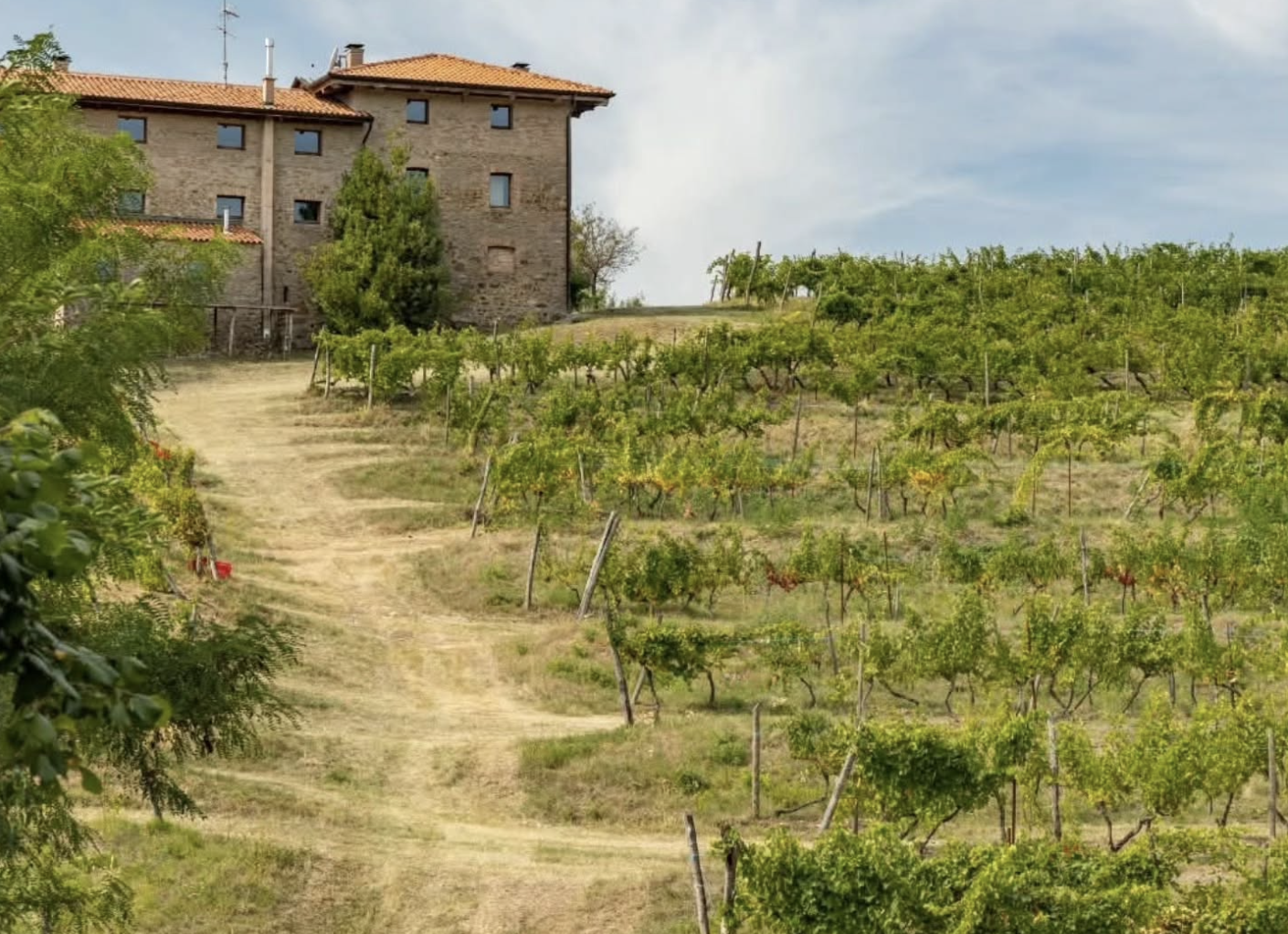
The vines at I Clivi are quite old. Not 2000 years old, but still planted between the 1930s and 1950s giving the grapes supreme concentration and depth. With vineyards in both Colli Orientali and Collio, the Friulano and Ribolla Gialla-based whites grown in these steep, terraced sites are almost ethereal in their character. Farmed 100% organically, the flavors meander between citrus, fresh herbs, and crushed rocks with salinity and texture on the finish. The Brazan Bianco, a marriage of 50% Ribolla Gialla, 40% Friulano, and 10% Malvasia Istriana from the Collio Goriziano DOC is brimming with nectarines, thyme, and striking notes of flint that lead to a steely minerality.
The whites from I Clivi are so delicious and memorable that it makes the 2000+ year old reputation of Friuli quite easy to understand. What makes these wines so distinctive is rooted in the philosophy of the late I Clivi founder Ferdinando Zanusso and his son Mario, who runs the estate today. The intent is to produce wines that are “truly grown,” as Ferdinando once told Oliver, “whose character is shaped entirely in the vineyard by soil, climate and vines and is in no way altered in the cellar; a wine that stands solely on itself.”
You can definitely call them low-intervention, but the wines from I Clivi are so much more than that. They are the continuation of a legacy that dates back thousands of years, and for good reason: they’re insanely delicious!